



Turkmenistan Karakum Desert & Ancient Merv Expedition
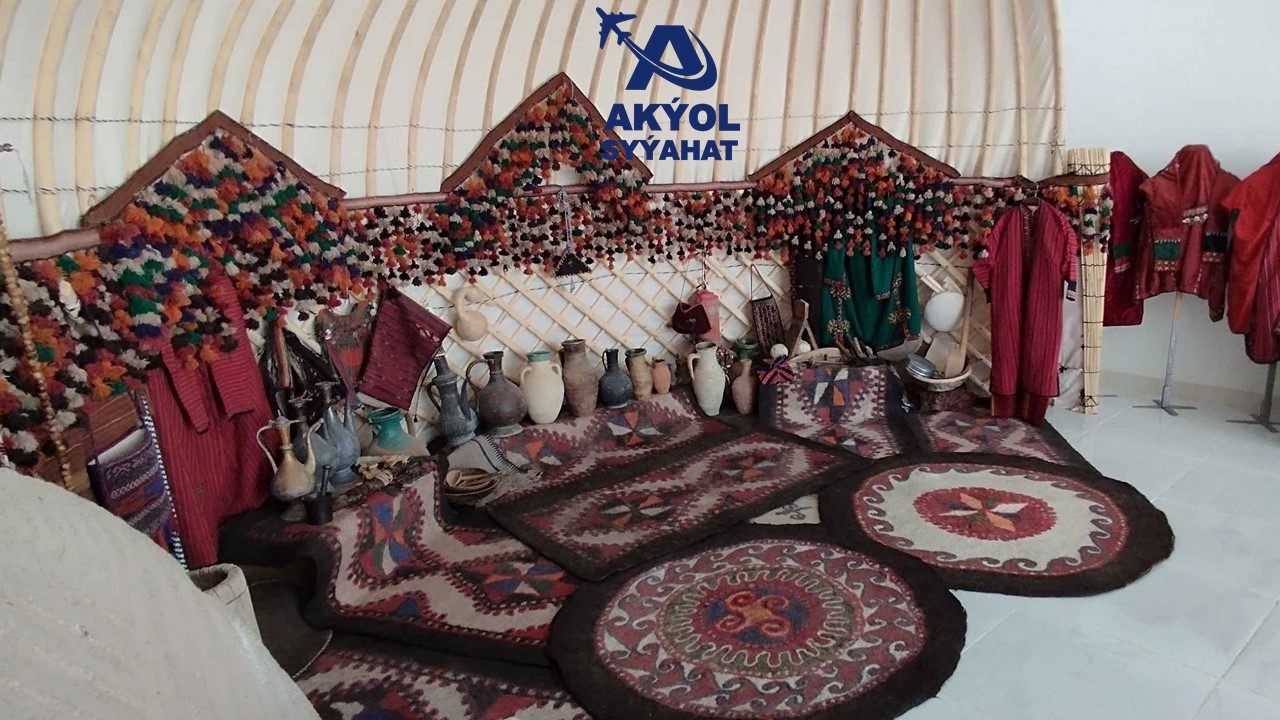
About tour
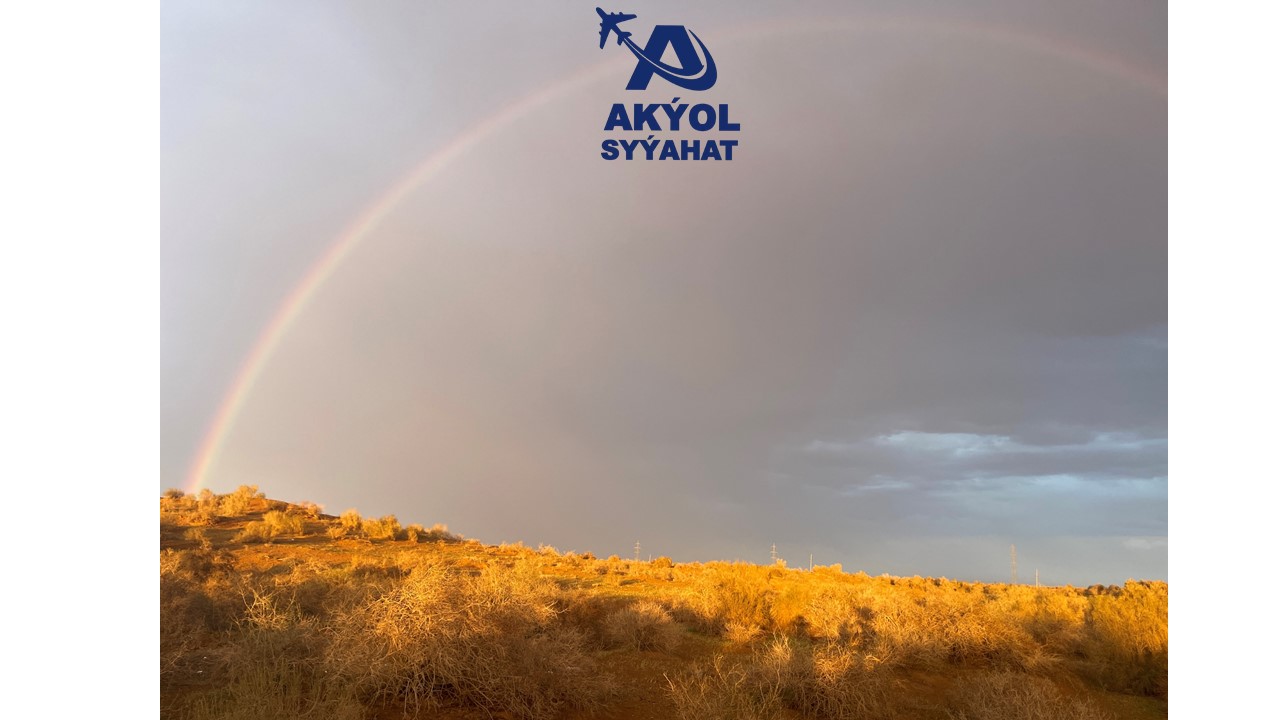
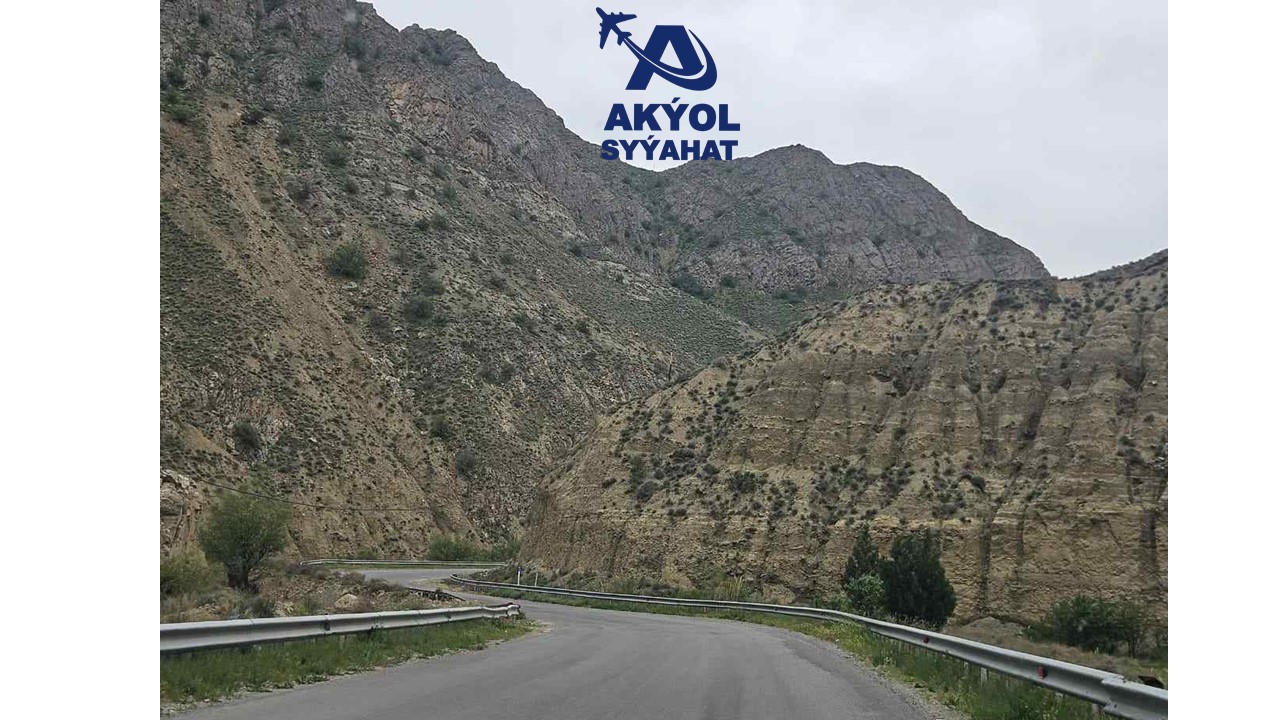
This 8-day expedition combines the highlights of Ashgabat, the Karakum Desert, Darvaza Gas Crater, remote desert communities, Gonurdepe and Ancient Merv. It is designed for travelers who want more than conventional sightseeing—a journey into the landscapes, history and traditions that make Turkmenistan one of Central Asia’s most fascinating destinations.
Itinerary
-
Welcome to Turkmenistan.
Upon arrival at Ashgabat International Airport, you will be met by your local guide and transferred to your hotel.
Ashgabat is unlike almost any other capital city in the world. Broad boulevards, monumental buildings, grand squares and extensive white-marble architecture create a remarkable cityscape surrounded by the Kopet Dag Mountains.
Depending on your arrival time, begin your introduction to the city with a panoramic sightseeing tour.
Highlights:
Ashgabat city center
Independence Park
Monumental architecture
Evening city views
Overnight: Hotel in Ashgabat
Meals: Dinner
-
After breakfast at the hotel, meet your guide and driver at approximately 09:00 and begin today's journey into the history, spirituality and equestrian culture of Turkmenistan.
Nisa – Ancient Capital of the Parthian Empire
Drive approximately 18 km from Ashgabat to the archaeological site of Ancient Nisa, located near the village of Bagyr. Nisa was an important center of the Parthian Empire and is recognized as a UNESCO World Heritage Site. The archaeological complex includes the remains of Old Nisa and New Nisa.
Explore the ancient fortifications, monumental structures and archaeological remains while your guide explains the history of the Parthian civilization and its importance along the ancient trade routes of Central Asia.
Visit duration: approximately 1.5–2 hours.
Turkmenbashi Ruhy Mosque & Mausoleum
Continue to the Turkmenbashi Ruhy Mosque, one of the country's most impressive religious landmarks. The complex is located west of Ashgabat and is known for its monumental scale and distinctive architecture.
Visit duration: approximately 45–60 minutes.
Enjoy lunch at a local restaurant featuring traditional Turkmen cuisine.
Lunch: Local restaurant
Suggested duration: 1 hour
Akhal-Teke Horse Farm – The Golden Horses of Turkmenistan
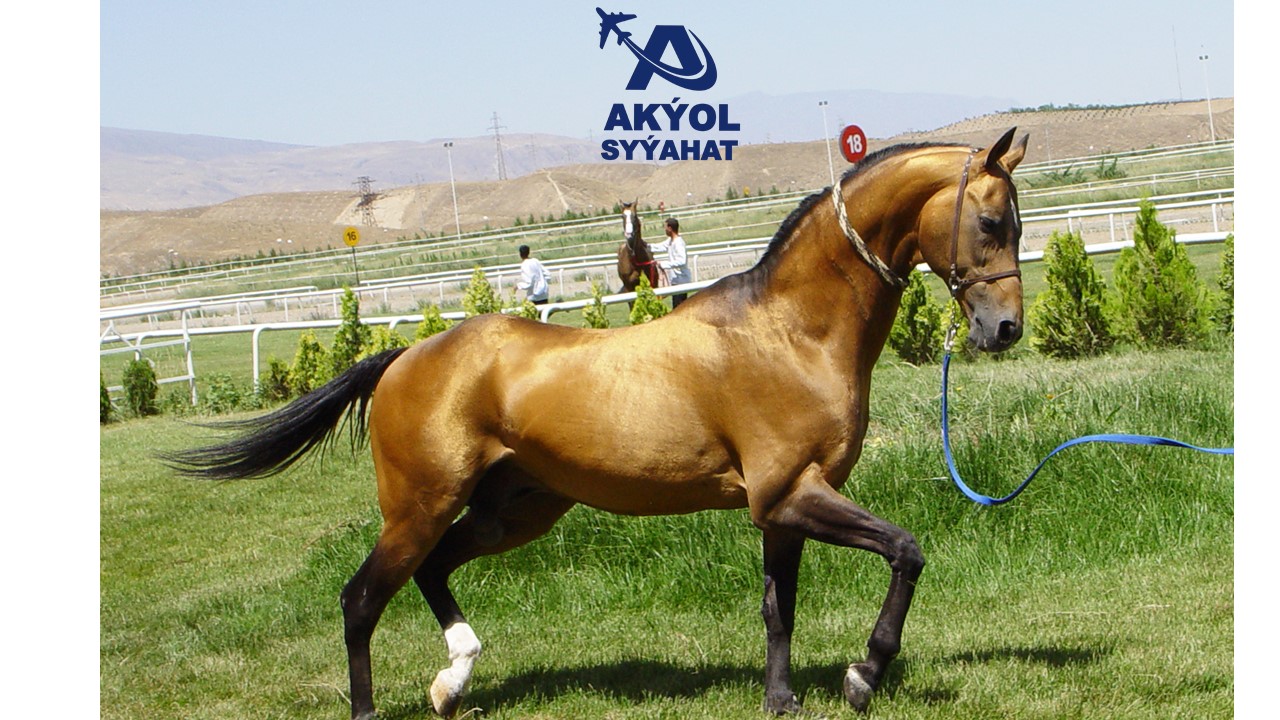
In the afternoon, drive toward the countryside and visit an Akhal-Teke horse farm, where you will have the opportunity to see Turkmenistan's famous national horse breed.
The Akhal-Teke is renowned for its elegant appearance, endurance and distinctive metallic-looking coat. At the farm, learn about traditional horse breeding and the special relationship between the Turkmen people and these celebrated horses. Tours commonly include an introduction to the horses and their breeding traditions, with some farms also offering opportunities for horseback riding.
Visit duration: approximately 1.5–2 hours.
In the late afternoon, return to Ashgabat.
Upon arrival, enjoy some free time at the hotel to relax before dinner. If desired, an optional evening drive through illuminated Ashgabat can be arranged, allowing you to see the city's famous white-marble monuments after sunset.
Overnight: Ashgabat
Meals: Breakfast, lunch and dinner
-
Full-Day Desert Expedition | Approximately 280 km
After breakfast, depart Ashgabat and begin your journey north into the vast Karakum Desert. Today is one of the most adventurous days of the tour, taking you away from the capital and into remote desert landscapes, traditional settlements and unusual geological formations.
Ashgabat → Erbent Village
Distance: approximately 200 km
Depart Ashgabat in the morning and travel north along the highway toward Erbent, a remote desert village surrounded by the vast Karakum landscape.
The journey takes you through an increasingly arid environment, with wide-open plains, sand dunes and occasional camel herds along the route. Erbent provides an opportunity to see a more traditional side of desert life
Erbent → Mud Craters
Distance: approximately 20–30 km
Continue deeper into the desert toward the remarkable mud craters.
These unusual geological formations create a dramatic landscape in the middle of the Karakum. Observe the bubbling mud, unusual terrain and surrounding desert scenery.
Take time for photography and exploration while following your guide's safety instructions.
Visit: approximately 30–45 minutes.
Mud Craters → Water Craters
Distance: approximately 10–20 km
Continue by 4WD toward the water craters, another fascinating feature of the desert landscape.
The contrast between water, vegetation and the surrounding barren desert creates a unique environment. Your guide will explain the local landscape and the importance of water sources in sustaining life in the Karakum.
Visit: approximately 30–45 minutes.
Water Craters → Darvaza Gas Crater
Distance: approximately 40–50 km
Continue toward the Darvaza area through remote desert tracks.
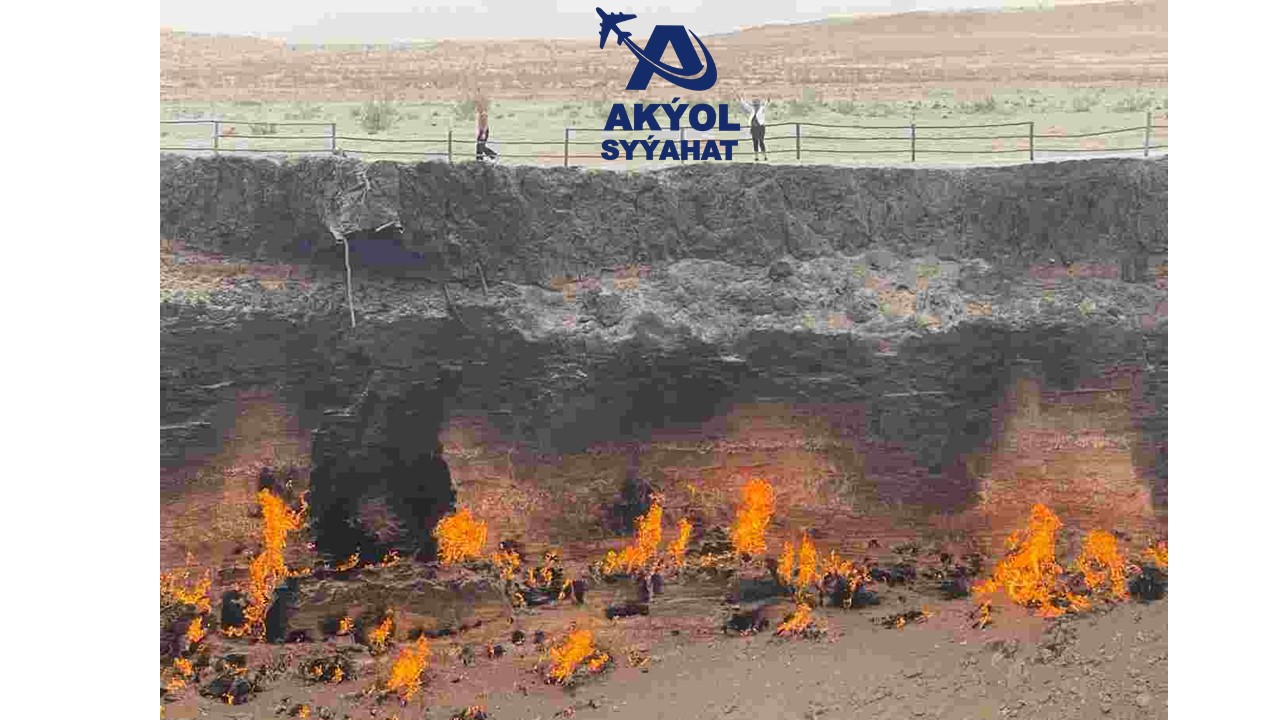
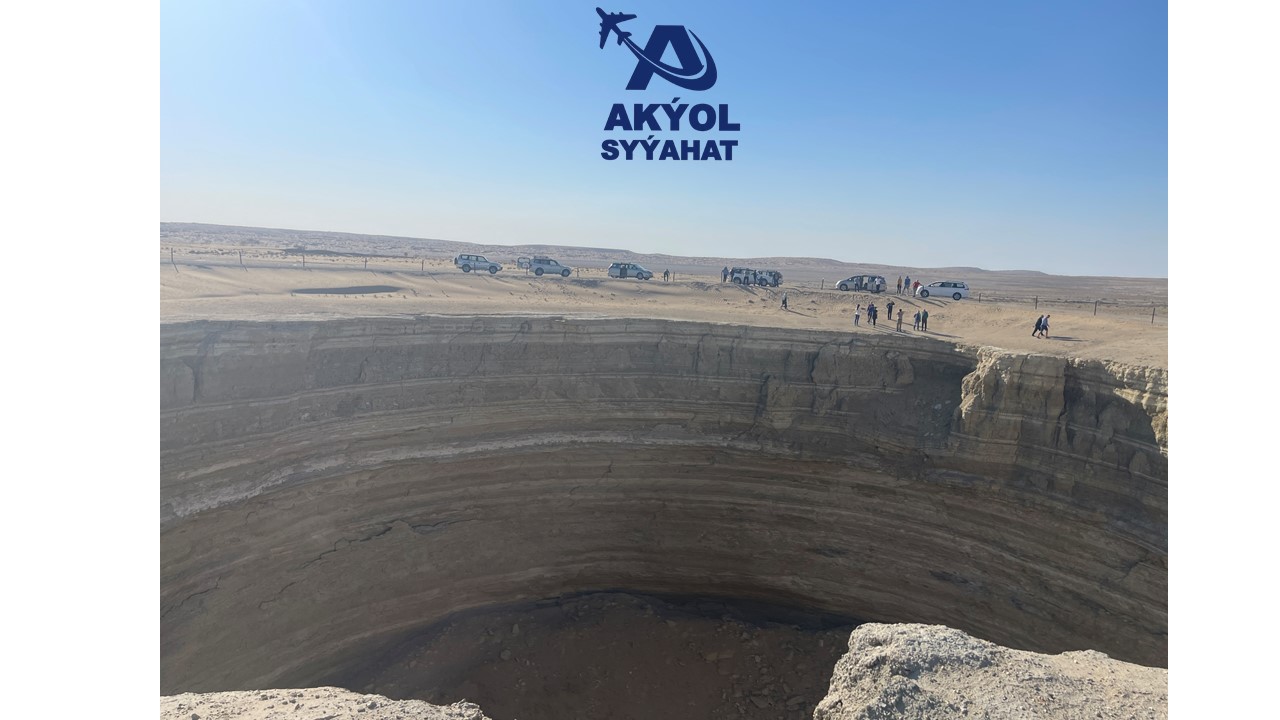
Arrive near the famous Darvaza Gas Crater, also known as the “Door to Hell.”
As evening approaches, prepare for the highlight of the day. After sunset, the flames of the crater become dramatically visible against the dark Karakum sky.
Enjoy dinner at the desert camp while experiencing this extraordinary natural and industrial phenomenon.
After dinner, walk to the viewpoint of the crater and enjoy the spectacular sight of the glowing flames.
There will be time for photography and to experience the silence of the desert after dark.
Overnight: Desert camp near Darvaza
Meals: Breakfast, lunch and dinner
-
Karakum Desert Expedition | Approximately 180–220 km
After breakfast at the desert camp, continue your journey deeper into the Karakum Desert. Today combines the legendary Darvaza landscape with remote desert settlements and the unique natural scenery of the Akmolla area.
Darvaza Gas Crater → Damla Village
Distance: approximately 100–120 km
After breakfast, depart the Darvaza area and travel west/northwest through the remote Karakum Desert toward Damla, a small desert settlement.
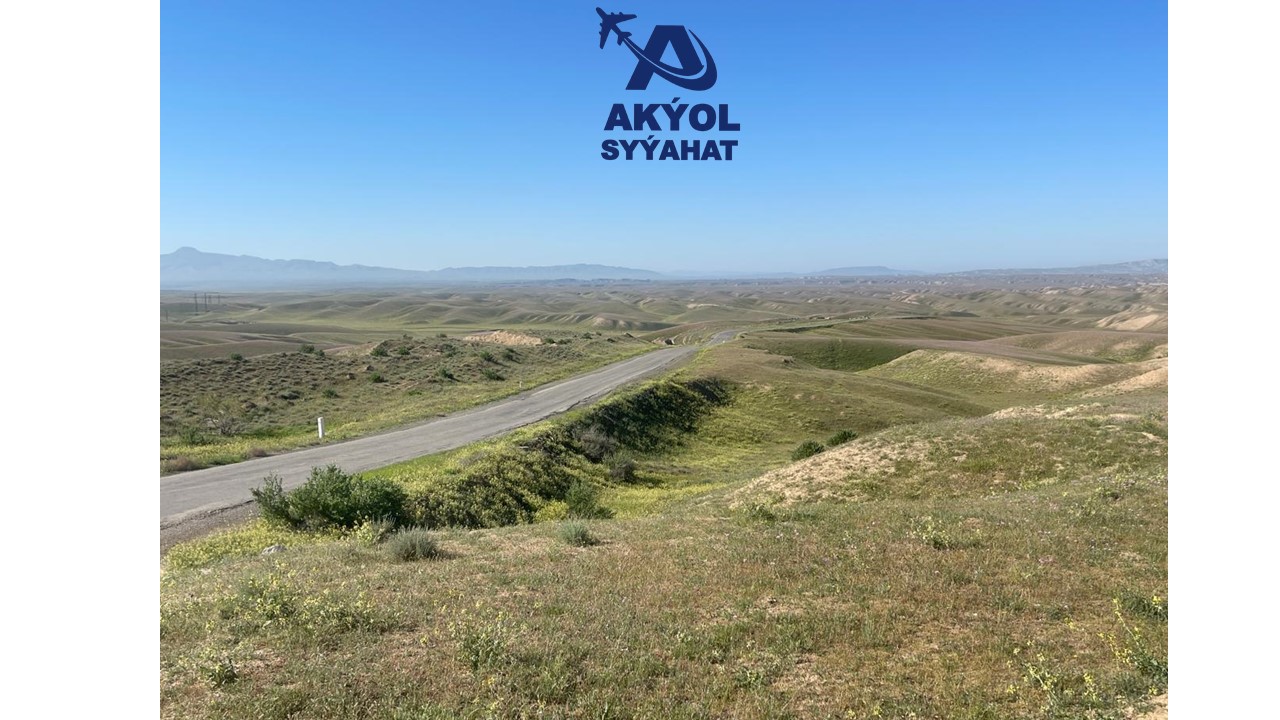
The route passes through vast expanses of sand, gravel plains and isolated desert landscapes. Damla offers an opportunity to experience traditional desert life and see how local communities have adapted to the challenging environment.
Upon arrival, meet local residents and explore the settlement. Depending on local arrangements, you may have the opportunity to see traditional houses, wells, livestock and aspects of everyday life.
Driving time: approximately 2.5–3.5 hours
Visit: approximately 1–1.5 hours
Damla → Akmolla
Distance: approximately 80–100 km
Continue your desert journey toward Akmolla.
Travel by 4WD along remote desert tracks, stopping along the way for photographs and short breaks. The landscape gradually changes as you approach the Akmolla area, providing an excellent opportunity to observe the different geological and ecological features of the Karakum.
Enjoy a picnic or packed lunch during the journey, depending on the day's arrangements.
Driving time: approximately 2.5–3 hours
Arrival in Akmolla
Arrive in the Akmolla area in the afternoon.
Spend time exploring the surrounding desert environment and enjoy the peaceful atmosphere far from the main cities and highways. Your guide can introduce you to the local landscape, desert vegetation and traditional ways of life.
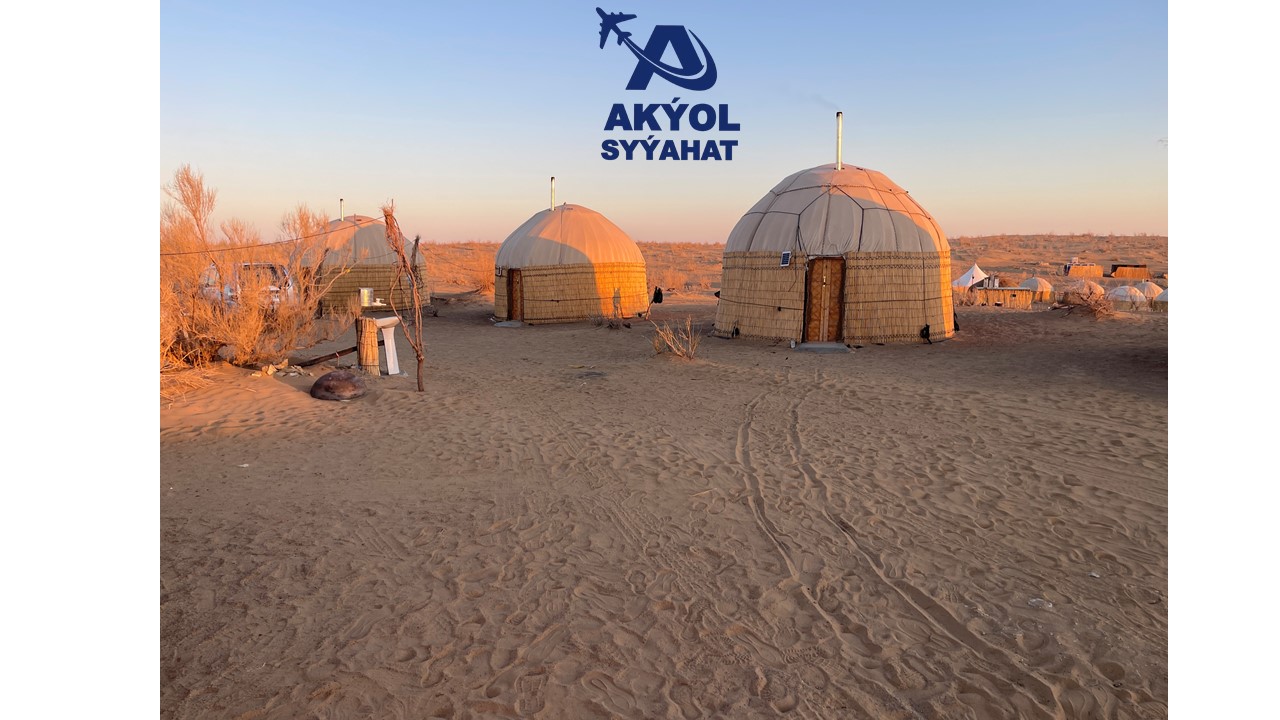
As evening approaches, settle into your desert accommodation.
Overnight: Desert camp / local accommodation in the Akmolla area
Meals: Breakfast, lunch and dinner
-
Karakum Desert & Ancient Margiana Expedition | Approximately 220–260 km
After breakfast at the desert camp, continue eastward through the remote landscapes of the Karakum Desert toward Gonurdepe, one of Turkmenistan's most remarkable archaeological sites.
Akmolla → Karakum Desert
Distance: approximately 120–140 km
Driving time: approximately 3–4 hours, depending on road conditions.
Desert Lunch
Enjoy a packed lunch or picnic in the desert.
This is a great opportunity to experience the remoteness of the region and enjoy a meal surrounded by the Karakum landscape.
Karakum Desert → Gonurdepe
Distance: approximately 100–120 km
Continue toward Gonurdepe, the archaeological heart of ancient Margiana.
As you approach the archaeological zone, the landscape begins to reveal traces of one of Central Asia's earliest urban civilizations.
Driving time: approximately 2.5–3.5 hours.
Gonurdepe Archaeological Site
Arrive at Gonurdepe, an ancient settlement dating back to the Bronze Age and associated with the Margiana civilization.
Explore the extensive archaeological remains with your guide. Discover the foundations of ancient buildings, defensive structures, ceremonial areas and other remains that provide evidence of a sophisticated society that flourished here thousands of years ago.
Your guide will explain the significance of Gonurdepe and its connections with the wider Bronze Age cultures of Central Asia.
Allow approximately 2–3 hours for exploration, depending on site conditions and access.
After the archaeological visit, settle into your accommodation in the Gonurdepe/Mary region.
Enjoy dinner and relax after a full day of desert travel and archaeological exploration.
Overnight: Desert tent
Meals: Breakfast, lunch and dinner
-
Ancient Margiana – Mary – Ashgabat | Approximately 390–430 km
After breakfast, leave the archaeological region of Gonurdepe and begin your journey toward Mary, followed by the return to Ashgabat.
Gonurdepe → Mary
Distance: approximately 100–120 km
After breakfast, depart Gonurdepe and travel toward Mary.
Enjoy the changing scenery as the remote archaeological landscape gives way to more settled areas of eastern Turkmenistan. Upon arrival in Mary, take a short break before continuing with sightseeing.
Driving time: approximately 2–3 hours.
Mary City Tour
Distance within Mary: approximately 10–20 km
Explore the city of Mary, one of the most important cultural and administrative centers in eastern Turkmenistan.
Depending on opening hours visit selected local sights, museums or monuments. Your guide will introduce you to the history of the region and its connection with the ancient Silk Road.
Sightseeing: approximately 1–1.5 hours.
Lunch in Mary
Enjoy lunch at a local restaurant before beginning the long journey back to Ashgabat.
Lunch: Local restaurant
Duration: approximately 1 hourMary → Ashgabat
Distance: approximately 270–290 km
After lunch, depart Mary and travel west toward Ashgabat.
The journey takes you across the changing landscapes of central Turkmenistan. Take a break along the way to stretch your legs and enjoy refreshments.
Driving time: approximately 4–5 hours, depending on road conditions and stops.
Arrival in Ashgabat
Arrive in Ashgabat in the late afternoon or evening and transfer to your hotel.
After several days exploring the desert and ancient archaeological sites, enjoy the comfort of your hotel and a relaxing evening in the capital.
Overnight: Hotel in Ashgabat
Meals: Breakfast, lunch and dinner -
After breakfast, enjoy a relaxed day in Ashgabat dedicated to shopping, local crafts, souvenirs and leisure. After several days of desert exploration and archaeological discovery, today offers time to experience the modern capital at a slower pace.
Meet your guide and driver after breakfast and visit a local bazaar or shopping area.
Explore stalls featuring traditional Turkmen products and everyday local goods. Depending on availability, you may find:
- Handwoven Turkmen carpets
- Traditional textiles
- Embroidery and decorative handicrafts
- Souvenirs and locally made gifts
- Ceramics and small artworks
- Dried fruits, nuts and local food products
Your guide can assist with communication and help explain local products and customs.
After shopping, return to your hotel or enjoy some free time in the city.
For your final evening in Turkmenistan, you may choose to have dinner at a traditional restaurant or enjoy an optional evening drive through illuminated Ashgabat, when the city's white-marble architecture and monumental buildings take on a completely different atmosphere.
Overnight: Ashgabat
Meals: Breakfast, lunch and dinner -
Transfer to Ashgabat International Airport for your onward flight.
End of the expedition.
Included
- Visa support to Turkmenistan, Letter of Invitation (LOI)
- 7 nights' accommodation
- Hotel accommodation in Ashgabat and Mary
- Desert tent accommodation as specified
- Breakfast every day
- Full Board meals
- English-speaking local guide
- Entrance fees to sites listed in the itinerary
- Airport transfers
- Private transportation throughout the itinerary
- 4WD transportation for desert sections
- Porter services
- Travel tax
- Handmade souvenir per person
Excluded
- Visa consular fees and processing expenses 80+15 USD per person, when obtained at land border (subject to change, nationality dependent)
- Turkmenistan migration tax 14 USD per person
- PCR nose test 33 USD
- Photo and video charges at sights
- Beverages
- International air tickets to / out of Ashgabat
- Travel Insurance
- Extras, not indicated in inclusions
Additional info
Best Time to Travel
The most comfortable periods for this expedition are generally spring and autumn, when temperatures are more suitable for desert exploration and archaeological sightseeing.
Summer can be extremely hot, particularly in the desert, while winter brings cooler temperatures and shorter daylight hours.
What to Bring
Because part of the journey takes place in a remote desert environment, we recommend bringing:
Comfortable walking shoes
Lightweight, breathable clothing
Warm layers for desert evenings
Sun hat/cap
Sunglasses
High-SPF sunscreen
Personal toiletries
Personal medication
Reusable water bottle
Flashlight or headlamp
Power bank
Camera and spare batteries
Small daypack
Insect repellent
Wet wipes and hand sanitizer
Desert nights can be surprisingly cool, even when daytime temperatures are very high, so warm clothing is recommended.
Ready to Explore Turkmenistan?
Contact us today to check availability, receive a quotation and start planning your journey.
Contact us: akyoltravel55@gmail.com / akyoltravelvisa@gmail.com
Turkmenistan Visa Procedure
Visa & Letter of Invitation (LOI)
Travelers visiting Turkmenistan generally require a visa, and tourist visas are issued on the basis of a Letter of Invitation (LOI) approved by the State Migration Service of Turkmenistan.
For tourists, the Letter of Invitation is normally arranged through a licensed/registered Turkmenistan travel agency. Our team can assist you with the invitation process and provide guidance throughout your visa application.
The visa may be obtained from a Turkmenistan embassy or consulate abroad. In certain circumstances, travelers with an approved invitation may also be able to obtain the visa upon arrival at an international airport or designated border crossing. (Shavat/Dashoguz, Alat/Farap)
How the Visa Process Works
Step 1 – Book Your Tour
Confirm your Turkmenistan tour with us and provide the personal information required for the visa invitation.
Step 2 – Submit Documents for the LOI
We collect the required documents and submit the invitation application through the appropriate Turkmenistan travel/immigration procedure.
Step 3 – State Migration Service Approval
The Letter of Invitation is processed and approved by the State Migration Service of Turkmenistan.
The processing period maximum 10 Days. Applicants should allow sufficient time before their planned departure.
Step 4 – Receive Your Invitation
Once approved, the invitation information or certified Letter of Invitation is provided for the visa application.
Step 5 – Apply for Your Visa
After receiving the LOI, submit the required documents to the appropriate Embassy or Consulate of Turkmenistan.
Step 6 – Travel to Turkmenistan
Once your visa has been issued, you are ready to travel to Turkmenistan and begin your tour.
Documents Required for the Letter of Invitation
To prepare your Letter of Invitation, we normally require the following documents from each traveler:
Completed visa/LOI application form
High-quality color scan of your passport
Passport valid for at least 6 months from the planned date of arrival
Passport containing sufficient blank pages for visa processing
Recent passport-size color photograph (white background)
Planned arrival and departure dates
Planned entry and exit points
Full name exactly as shown in the passport
Date and place of birth
Nationality
Current residential address
Contact telephone number
Email address
Occupation/employer information, where required
Final education level or degree, university/institute/school name
Major
Marital status: Married, Single or widow
Spouse full name, date of birth (date/month/year)
Children, if yes: full name , date of birth (date/month/year)
Details of the proposed tour and accommodation, where required
Customer Support
We have a professional customer support team and always accompany you on every trip.