



Turkmenistan 3 Days Group Tour: Farap – Mary – Ashgabat – Darvaza – Kunya-Urgench – Dashoguz
About tour
Experience the highlights of Turkmenistan on an unforgettable 3-day group tour connecting the country's ancient Silk Road heritage, spectacular capital, and extraordinary Karakum Desert. Starting at the Farap border, this journey takes you to the legendary ancient city of Merv, continues to the magnificent capital of Ashgabat, and then ventures deep into the Karakum Desert to witness the spectacular Darvaza Gas Crater by night. The adventure continues through the desert to the ancient city of Kunya-Urgench, finishing at the Dashoguz border. This carefully arranged itinerary combines history, culture, architecture, desert landscapes, and authentic Turkmen experiences, with comfortable accommodation in 3-star hotels and a traditional yurt stay in Darvaza.
Itinerary
-
Your Turkmenistan adventure begins at the Farap border crossing, where you will meet your local guide and driver after completing immigration and customs formalities.
From the border, drive toward Mary, one of the most important cities in southeastern Turkmenistan and the gateway to the ancient archaeological site of Merv.
After arrival, enjoy lunch before continuing to Ancient Merv, one of the most significant historical sites along the ancient Silk Road.
Ancient Merv:
Explore the fascinating archaeological remains of this once-great metropolis. Merv developed over many centuries and became an important center of trade, culture, science, and Islamic civilization.
During your visit, explore some of the site's most important monuments, including:
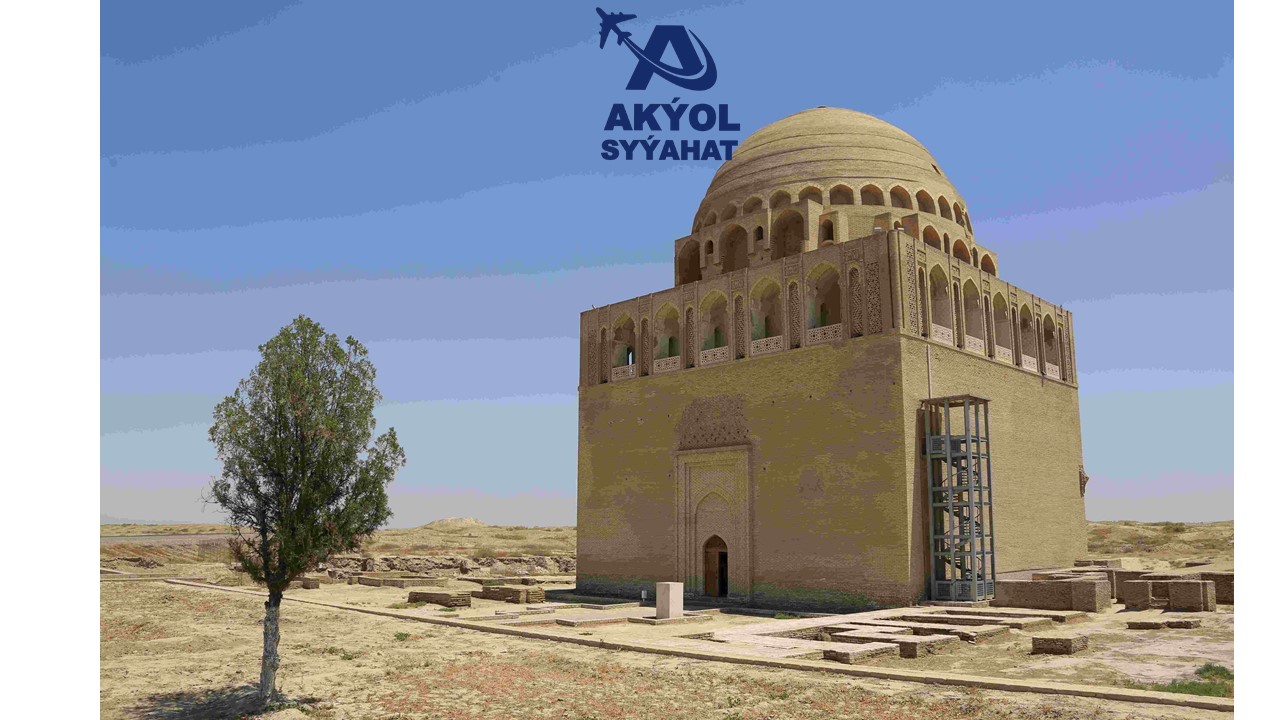
Sultan Sanjar Mausoleum — One of the most impressive surviving monuments from medieval Merv.
Kyz Kala — Discover the distinctive fortified structures with their unusual corrugated walls.
Muhammad Ibn Zayd Mausoleum — Admire an important example of medieval Islamic architecture.
Greater and Lesser Kyz Kala — Explore the remains of these remarkable ancient fortifications.
Ancient city walls and archaeological remains — Walk through the remains of one of Central Asia's great Silk Road cities.
Your local guide will introduce you to the history of Merv and explain its importance as a crossroads between civilizations.
After sightseeing, return to Mary for your evening flight to Ashgabat (20:15/20:55).
Upon arrival in Ashgabat, meet your driver and transfer to your 3-star hotel.
Check in and relax after your journey.
Accommodation: Ak Altyn 3* Hotel in Ashgabat
Transport: Private/group vehicle + evening domestic flight
-
After breakfast, begin your sightseeing tour of Ashgabat, the impressive capital of Turkmenistan.
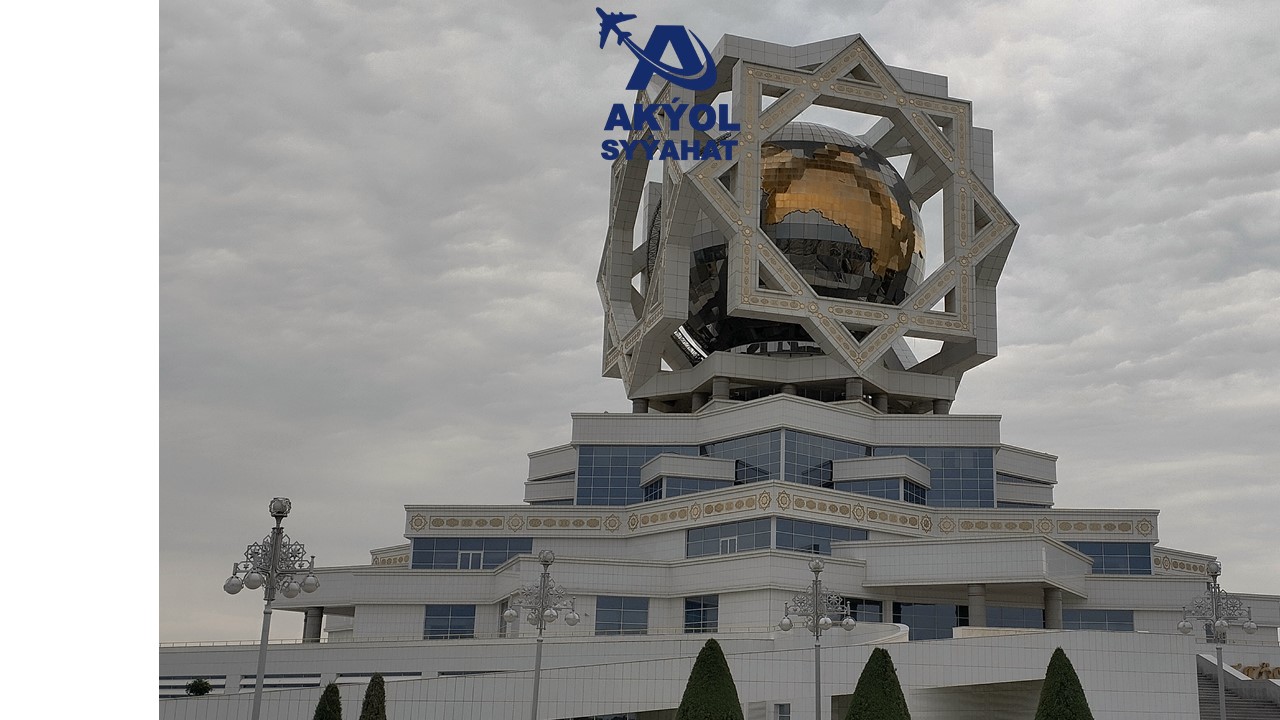
Known for its grand avenues, monumental architecture, fountains, and extensive white-marble buildings, Ashgabat offers a striking contrast to the country's ancient archaeological sites.
Ashgabat City Tour
Your sightseeing program may include:
- Independence Park and Independence Monument
- Neutrality Monument
- Ruhy Mosque
- Ertugrul Gazi Mosque
- Constitution Monument
- Panoramic views of Ashgabat's famous white-marble architecture
- Major monuments, squares, and government districts
The exact sightseeing route may vary depending on local access, opening hours, and government regulations.
After the city tour, enjoy lunch in Ashgabat.
Afternoon: Journey to the Karakum Desert
In the afternoon, leave Ashgabat and travel north toward the Karakum Desert and the legendary Darvaza Gas Crater.
The journey takes you away from the capital and into the vast desert landscape of Turkmenistan.
Stop at Erbent Village
On the way to Darvaza, stop at Erbent, a traditional desert settlement.
This is an opportunity to see everyday life in a remote Turkmen community and experience the stark landscape of the Karakum Desert.
Mud and Water Craters
Continue your journey with visits to the fascinating mud and water craters in the desert.
These unusual geological features provide an interesting contrast to the surrounding dry landscape and offer excellent photography opportunities.
Darvaza Gas Crater
Continue toward Darvaza, arriving in the late afternoon or evening.
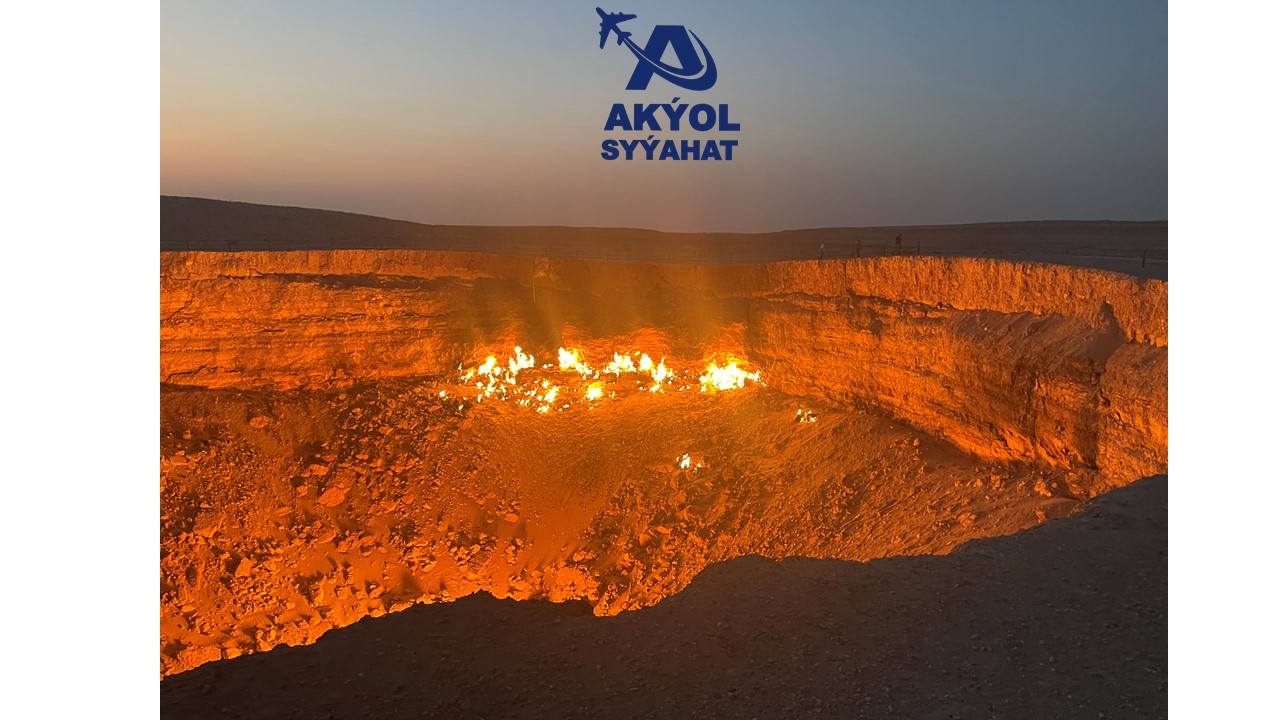
The highlight of the day is the spectacular Darvaza Gas Crater, one of Turkmenistan's most famous attractions.
As darkness falls, the crater begins to glow dramatically against the black desert sky. Take time to walk around the viewing area, photograph the crater, and experience the extraordinary atmosphere of the Karakum Desert.
Traditional Desert Dinner
Enjoy a traditional dinner at the desert camp, with the glowing Darvaza crater providing an unforgettable backdrop.
After dinner, relax around the camp and experience the peaceful atmosphere of the desert at night.
Spend the night in a traditional yurt.
Accommodation: Traditional yurt
-
Breakfast at the Desert Yurt Camp
Wake up to the peaceful atmosphere of the Karakum Desert and enjoy breakfast at the traditional yurt camp.
After breakfast, begin the final day of your Turkmenistan adventure. Today you will travel north across the vast Karakum Desert toward Kunya-Urgench, one of the country's most important historical and archaeological destinations, before continuing to the Dashoguz border.
Morning: Darvaza & Karakum Desert
After breakfast, depart the Darvaza area and continue north through the spectacular landscapes of the Karakum Desert.
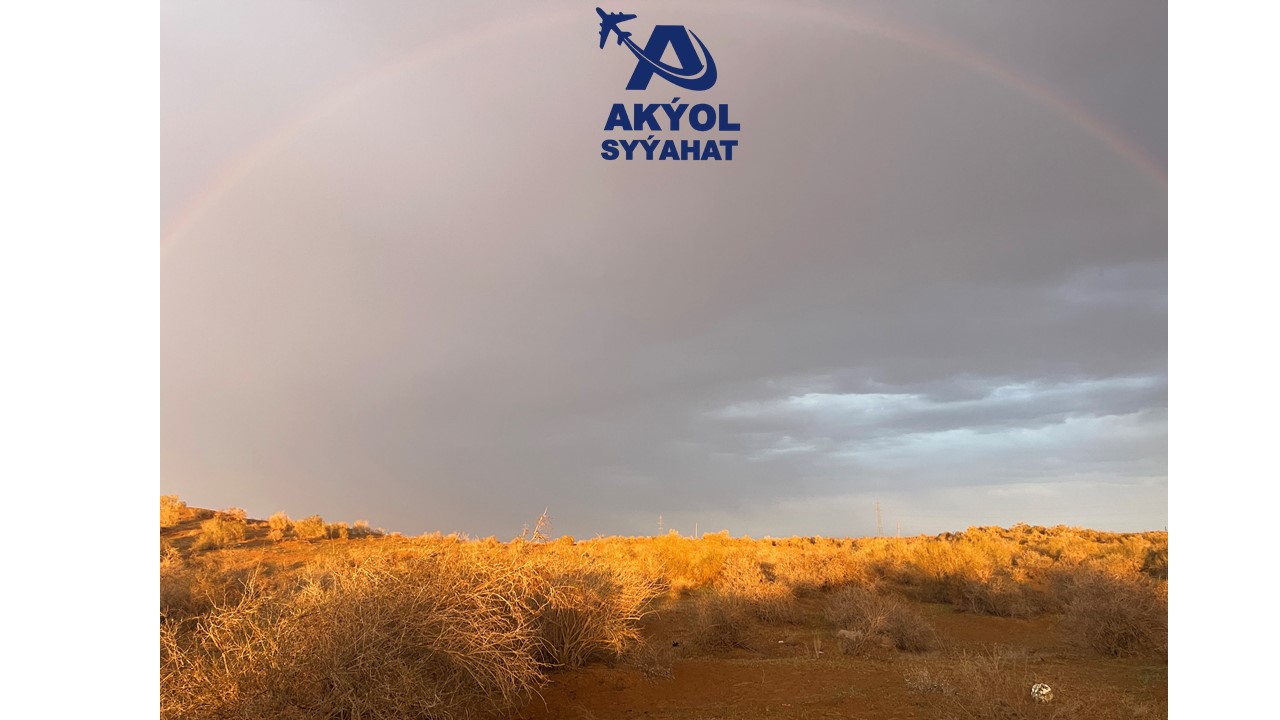
The journey offers a unique opportunity to experience the immense scale and remoteness of Turkmenistan. Along the route, you will see wide-open desert landscapes, sand dunes, desert vegetation, traditional settlements, and, depending on the season, camels and other signs of life adapted to this harsh environment.
Your guide will introduce you to the geography, history, and traditional lifestyle of the people living in the Karakum region.
There will be suitable stops along the way for photographs and refreshments.
Kunya-Urgench – Ancient Khorezm
Continue toward Kunya-Urgench, the historic capital of Khorezm and one of the most significant medieval centers of Central Asia.
The old town contains a remarkable collection of monuments dating mainly from the 11th to 16th centuries and is recognized by UNESCO for its outstanding architectural and cultural heritage.
Upon arrival, begin a guided sightseeing tour of the ancient city.
Kutlug-Timur Minaret
Your first major stop is the impressive Kutlug-Timur Minaret, the landmark monument of Kunya-Urgench.
Standing approximately 60 meters high, the minaret dominates the surrounding archaeological landscape and is one of the most remarkable surviving monuments of medieval Khorezm.
Your guide will explain the history of the monument, its architectural features, and the importance of Kunya-Urgench along the ancient Silk Road.
Turabek-Khanum Mausoleum
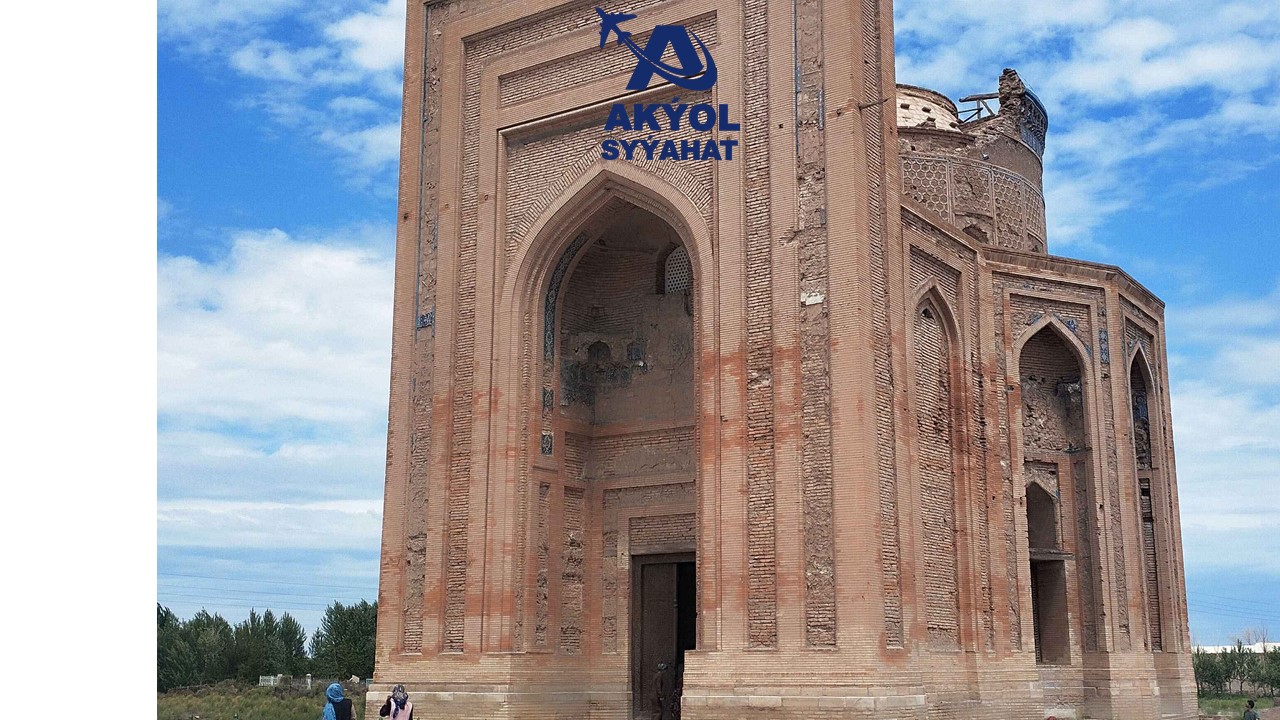
Continue to the beautiful Turabek-Khanum Mausoleum, one of the architectural highlights of Kunya-Urgench.
The monument is particularly famous for its elaborate geometric mosaic decoration and impressive dome. The interior decoration is regarded as an outstanding example of medieval Islamic artistic craftsmanship.
Sultan Tekesh Mausoleum
Visit the Sultan Tekesh Mausoleum, an important monument associated with the Khorezmshah ruler Sultan Tekesh.
The mausoleum is a fine example of medieval Central Asian architecture and provides an insight into the power and sophistication of the Khorezm civilization.
Il-Arslan Mausoleum
Continue to the Il-Arslan Mausoleum, another important monument of ancient Kunya-Urgench.
The mausoleum represents the architectural heritage of the medieval Khorezmshah period and forms an important part of the historic monument complex.
Ancient City Ruins
Complete your visit by exploring the surrounding archaeological remains and ancient settlement areas.
Kunya-Urgench was once a major center of trade, religion, culture, and scholarship. Today, its surviving monuments and archaeological remains provide a fascinating window into the history of medieval Central Asia.
After the sightseeing tour, enjoy lunch at a local restaurant or arranged dining location.
Take a short break before continuing your journey toward Dashoguz.
Afternoon: Kunya-Urgench – Dashoguz
After lunch, depart Kunya-Urgench and drive toward Dashoguz.
Enjoy the changing scenery as you leave the ancient Khorezm region and continue through northern Turkmenistan.
Depending on your onward travel schedule, there may be time for a short stop in Dashoguz for refreshments or local shopping.
Dashoguz Border Transfer
Continue to the Dashoguz border crossing, where your 3-day Turkmenistan adventure comes to an end.
Your driver and guide will assist you with the transfer to the border and provide the necessary information for your onward journey.
Tour Ends: Dashoguz Border
Tour Highlights
- Cross the Farap border and begin your Turkmenistan adventure
- Explore the ancient Silk Road city of Merv
- Visit the UNESCO-listed archaeological remains of Ancient Merv
- Take an evening flight from Mary to Ashgabat
- Discover the spectacular white-marble capital of Ashgabat
- Travel through the Karakum Desert
- Visit Erbent village
- See the fascinating Mud and Water Craters
- Experience the famous Darvaza Gas Crater after sunset
- Enjoy dinner beside the glowing crater
- Spend the night in a traditional desert yurt
- Explore the ancient city of Kunya-Urgench
- Finish the tour at the Dashoguz border
Included
- Visa support to Turkmenistan, Letter of Invitation (LOI)
- 1 night accommodation in a Ak Altyn 3* hotel in Ashgabat
- 1 night accommodation in a traditional yurt camp in Darvaza
- Breakfast at the hotel and yurt camp
- Lunch and dinner as specified in the itinerary
- Private/group transportation throughout the tour
- Mary–Ashgabat domestic flight
- English-speaking local guide
- Airport and border transfers according to the itinerary
- Entrance fees to Ancient Merv, Kunya-Urgench, and other listed attractions
- Darvaza Gas Crater excursion
- Visits to Erbent village and the Mud & Water Craters
- Traditional dinner at the Darvaza yurt camp
- Drinking water during the tour
- Travel tax
- Handmade souvenir per person
Excluded
- Visa consular fees and processing expenses 80+15 USD per person, when obtained at land border (subject to change, nationality dependent)
- PCR nose test 33 USD
- Photo and video charges at sights
- Beverages
- Travel Insurance
- Extras, not indicated in inclusions
Additional info
Transportation
Travel comfortably in a private, air-conditioned vehicle with an experienced driver.
The route includes both paved roads and desert roads, particularly on the journey to Darvaza. The exact vehicle type may depend on group size and road conditions.
Desert Conditions
Temperatures in the Karakum Desert can vary significantly between day and night. Comfortable clothing, sun protection, sturdy footwear and sufficient drinking water are recommended (drinking water our company provide)
Photography
Photography rules can vary at certain government buildings, military facilities and other sensitive locations. Always follow your guide's instructions.
Best Time to Visit Turkmenistan
The most comfortable periods for this tour are generally spring and autumn, when temperatures are more suitable for sightseeing and desert excursions.
Summer can be extremely hot, particularly in the Karakum Desert, while winter can bring colder conditions.
Ready to Explore Turkmenistan?
Reserve your place on our 3-Day Group Tour today and experience the ancient cities, modern architecture, and breathtaking desert landscapes of Turkmenistan.
Contact us to check availability, tour dates, and booking details.
Contact us: akyoltravel55@gmail.com / akyoltravelvisa@gmail.com
Turkmenistan Visa Procedure
Visa & Letter of Invitation (LOI)
Travelers visiting Turkmenistan generally require a visa, and tourist visas are issued on the basis of a Letter of Invitation (LOI) approved by the State Migration Service of Turkmenistan.
For tourists, the Letter of Invitation is normally arranged through a licensed/registered Turkmenistan travel agency. Our team can assist you with the invitation process and provide guidance throughout your visa application.
The visa may be obtained from a Turkmenistan embassy or consulate abroad. In certain circumstances, travelers with an approved invitation may also be able to obtain the visa upon arrival at an international airport or designated border crossing. (Shavat/Dashoguz, Alat/Farap)
How the Visa Process Works
Step 1 – Book Your Tour
Confirm your Turkmenistan tour with us and provide the personal information required for the visa invitation.
Step 2 – Submit Documents for the LOI
We collect the required documents and submit the invitation application through the appropriate Turkmenistan travel/immigration procedure.
Step 3 – State Migration Service Approval
The Letter of Invitation is processed and approved by the State Migration Service of Turkmenistan.
The processing period maximum 10 Days. Applicants should allow sufficient time before their planned departure.
Step 4 – Receive Your Invitation
Once approved, the invitation information or certified Letter of Invitation is provided for the visa application.
Step 5 – Apply for Your Visa
After receiving the LOI, submit the required documents to the appropriate Embassy or Consulate of Turkmenistan.
Step 6 – Travel to Turkmenistan
Once your visa has been issued, you are ready to travel to Turkmenistan and begin your tour.
Documents Required for the Letter of Invitation
To prepare your Letter of Invitation, we normally require the following documents from each traveler:
Completed visa/LOI application form
High-quality color scan of your passport
Passport valid for at least 6 months from the planned date of arrival
Passport containing sufficient blank pages for visa processing
Recent passport-size color photograph (white background)
Planned arrival and departure dates
Planned entry and exit points
Full name exactly as shown in the passport
Date and place of birth
Nationality
Current residential address
Contact telephone number
Email address
Occupation/employer information, where required
Final education level or degree, university/institute/school name
Major
Marital status: Married, Single or widow
Spouse full name, date of birth (date/month/year)
Children, if yes: full name , date of birth (date/month/year)
Details of the proposed tour and accommodation, where required
Customer Support
We have a professional customer support team and always accompany you on every trip.