


The West-to-East Karakum Expedition
About tour
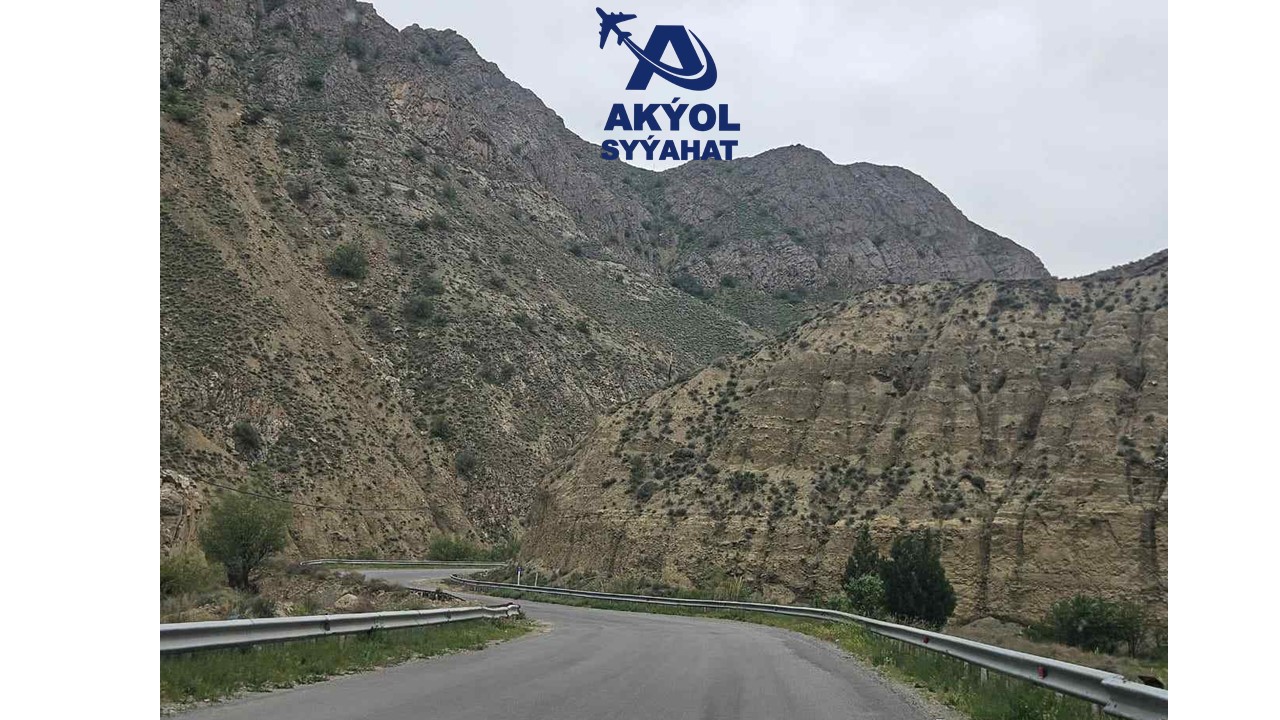
This 11-day expedition is a rugged, off-road odyssey through the heart of Turkmenistan’s most dramatic landscapes. It transitions from the white-marble opulence of Ashgabat through the Balkan Mountains, along the Caspian Sea, and deep into the Karakum Desert via the ancient Uzboy riverbed. This route requires a 4x4 vehicle and involves significant wild camping and nomadic homestays. Begin in Ashgabat, the capital city known for its opulent architecture and vibrant culture. Kow-Ata underground lake . The Turkmen name Kow-Ata means Father of caves. Nohur (also known as Nokhur or Nokur) is a remote and picturesque village located in the Kopet Dag Mountains of southern Turkmenistan. The Lunar Mountains in Turkmenistan are one of the country’s most unique and striking natural features.Sumbar Valley is a particularly dear and memorable place. The ancient settlement of Dekhistan is located at an altitude of 161 meters above sea level, located in the northern part of the Masrian plain and in the southern part .Gozli Ata, one of the holiest Sufi pilgrimage sites in Turkmenistan.Yangysuw and then the breathtaking Yangykala Canyons.Kemal-ata is a hill in the vicinity of the provincial town of Old Crimea.Koymat a scenic semi-nomadic settlement surrounded by milk-white cliffs.Melegoch cross the desert toward the Uzboy River (a dry ancient riverbed). This area is famous for traditional camel breeding and falconry.Ygdykala explore the remains of a Parthian fortress (1st century BC) perched on a high cliff overlooking the dry riverbed.Balishem a small desert outpost for a quick lunch and water top-up. Darvaza- Gas Crater, which is a huge flaming crater.
Itinerary
-
Arrival to Ashgabat international airport.
Tour guide will meet you and transfer to the hotel.
Upon arrival check in and overnight at the hotel. Rest time.
We will begin our tour in Ashgabat. Ashgabat is a relatively young city in 25.05.2013 city was included Gunnies Book of records as a white marbled city on the world.
10:00 – Ashgabat sightseeing:
Independence Park if you once find yourself in Ashgabat, the city of love, white marble and thousands of fountains, you must visit the main park in the Turkmen capital - National Independence Park. This Park is one of the city’s attractions, embodying the spirit of modern Turkmenistan.
Arch of Neutrality used to stand on the main square of the country, but in 2011, was moved to Ashgabat’s outskirts. Still worth a visit, this multi-level structure is crowned by a sculpture of the former Turkmenistan´s President, Saparmurat Niyazov. Previously, the sculpture used to rotate after the sun, making a daily full turnover.
Ertugrul Gazi Mosque is one of the most beautiful Muslim mosques of Turkmenistan. Like any other buildings, erected in Ashgabat during the period of independence, the mosque strikes with its size and rich decoration.
The State Museum of the State Cultural Center of Turkmenistan is the first and largest one of the 26 museums established following the independence of Turkmenistan. The official opening took place on 12 November 1998. It is located on Archabil Avenue in the picturesque Kopet Dagh foothills. Opposite the museum there is the main flag of Turkmenistan attached to one of the highest flagpole in the world.
After the tour, transfer to your hotel and enjoy a relaxing evening in this enchanting city.
Night at the hotel.
-
BREAKFAST
09:00 -you will meet your guide and then begin your journey.
Akhalteke Horse Farm the horse farm is located in the countryside area, behind the Geokdepe town, 55km. Excursion at the farm to see the AkhalTeke horse and Turkmen dog Alabay. Akhal-Teke horse farm – home to the world-famous Turkmen horses. Learn about the breeding traditions and history of Akhal-Teke horses. Here, experts will tell you about Akhal-Teke horses. Next to the farm, you can take a horseback ride through the gardens.
Gokdepe Mosque is a significant religious and historical landmark located in Gokdepe. Built in the 1990s, it is sometimes referred to as the Saparmyrat Haji Mosque in honour of his pilgrimage to Mecca.The mosque is an impressive architectural work, combining elements of modern Islamic design with traditional Central Asian styles. Its white marble facade reflects Turkmenistan’s national preference for this material, which can be seen in many of the country’s modern structures. The mosque is adorned with four minarets, tall and slender, framing a central dome that rises prominently above the building. The dome itself is striking, often described as sparkling turquoise or blue, which is a testament to the mosque’s name ‘Gokdepe’, which means ‘blue hill’ in Turkmen.
Kow-Ata underground lake . The Turkmen name Kow-Ata means Father of caves. At first glance, this underground area appears like a magnificent auditorium: the overall length of the cave is 230 m, its height reaches 20 m, and its width is at some points 57 m. The bottom of the cave is covered with lumps of dissolved limestone (stalagmites), and its warm and gushing water is clear and emerald colored. The water has a constant temperature of 33-37°C. (You should swim in a lake).
Nohur (also known as Nokhur or Nokur) is a remote and picturesque village located in the Kopet Dag Mountains of southern Turkmenistan, near the border with Iran. Known for its stunning natural beauty and unique cultural traditions, Nohur offers a glimpse into a way of life that has remained largely untouched by modernity.The village is nestled in a deep valley surrounded by rugged mountains, providing breathtaking views of dramatic cliffs, lush greenery, and terraced landscapes. Traditional stone houses with flat roofs and wooden beams characterize the architecture of Nohur, blending harmoniously into the surrounding environment. Narrow streets wind through the village, giving it a timeless and serene atmosphere.
Night at the Guest House
Meals: Breakfast / Lunch at Kov Ata / Dinner at Nokhur village
-
BREAKFAST
08:00- drive to the Moon Mountains of Karakala (Lunar and Martian landscapes).The Lunar Mountains in Turkmenistan are one of the country’s most unique and striking natural features. Located in the Karakum Desert, these mountains are named for their otherworldly, moon-like appearance, with jagged rock formations, vast salt flats, and stark, barren landscapes. They stand in contrast to the surrounding desert, creating a surreal and almost alien terrain that has captivated explorers and researchers alike. The mountains are relatively small but have an extraordinary and unique landscape. The area is characterized by dramatic rock formations, salt flats, and barren hills that give it its moon-like appearance.Visit the local botanical garden and Sumbar Valley.Blue or yellow hills, behind them gray hills, even further away a strip of blue mountains, and above them a blue sky... And right behind this fantastic landscape is the transit center of Magtymguly (formerly Karakalla), spread out in the subtropical valley of the Sumbar River, with scattered white houses, plantations of subtropical crops and an endless green ribbon of pomegranate orchards.In the history of the Turkmen people, the Sumbar Valley is a particularly dear and memorable place: the poet and philosopher Magtymguly-Fraghi spent his early years here. Among the revered sites in the valley are well-preserved architectural monuments dating back to the 14th and 15th centuries: the Shikh-Ovezberdy, Magtym-myazzem, and Shikh-Attarveli mausoleums. These monuments are rectangular mausoleums with double domes, constructed of baked brick. Among them, the Magtym-myazzem mausoleum stands out—as locals call this ancient structure, standing alone in the Sumbar River valley, near the village of Magtym-gala in the Magtymguly etrap. Sheltered from the flat part of the country by two ridges, the Sumbar River valley is a unique natural reserve.Night at the Guest House or tentMeals: Breakfast at Nokhur village / Lunch at Karakala / Dinner at under the stars. -
BREAKFAST
Today after breakfast drive to Dekhistan Historical site, old Silk Road city.
The ancient settlement of Dekhistan is located at an altitude of 161 meters above sea level, located in the northern part of the Masrian plain and in the southern part of the Choganly plain, in the northwestern part of the Khurmen sands, 16.7 kilometers north-west of the village of Madau, 41.3 kilometers to the north-east from the small village of Indyrlan in the Etrek etrap of the Balkan velayat. Dekhistan has also another name - Misrian. Together with the neighbouring ancient Mashad graveyard, Dekhistan is called Mashad - Misrian by Turkmens. Usually, to save time you have to take a ninety's minutes air craft flight to Nebitdag, then to go to Kumdag about forty kilometres by car; the next step is to drive further about a hundred kilometres sout- hward, along the road depressing with its monotonous sights, past desert and takyrs with poor flora, through vast valleys.Dekhistan or Misrian is not only an ancient city itself, but all the adjacent province, in other words - the Misrian oasis, which several centuries after inexactly known disaster, remained hardly noticeable signs. In this connection it is worth being noted that ancient monuments of history and culture were not the only things to attract attention of scientists of the XX century to these lands.
Night at the tent
Meals: Breakfast at Karakala / Lunch at Guest house or nature place / Dinner at under the stars.
-
BREAKFAST
09:00 - After breakfast drive to Turkmenbashy.
Turkmenbashi (formerly called Krasnovodsk), It is situated on the Caspian Sea and has some magnificent sandy beaches. In recent times, it has become a major transport center, with developed oil refining and construction industries. Turkmenbashi serves as the starting point for many excursions into the surrounding mountains and coastal resort towns. Here, on the shores of the Caspian Sea, the sun shines warmly throughout the year, with golden sands gently crunching underfoot and the waves of the warm sea lapping at the beach.
Free day at Caspian Sea.
Visit a bazaar where you can buy fresh, dried, or smoked seafood, such as sturgeon, caviar, sprats, or other fish from the Caspian Sea region.
Night at the hotel
Meals: Breakfast at Dekhistan / Lunch at Guest house or nature picnic / Dinner at Turkmenbashy.
-
BREAKFAST
After breakfast drive to Yangykala Canyon. On the way visit:
Gozli Ata, one of the holiest Sufi pilgrimage sites in Turkmenistan.
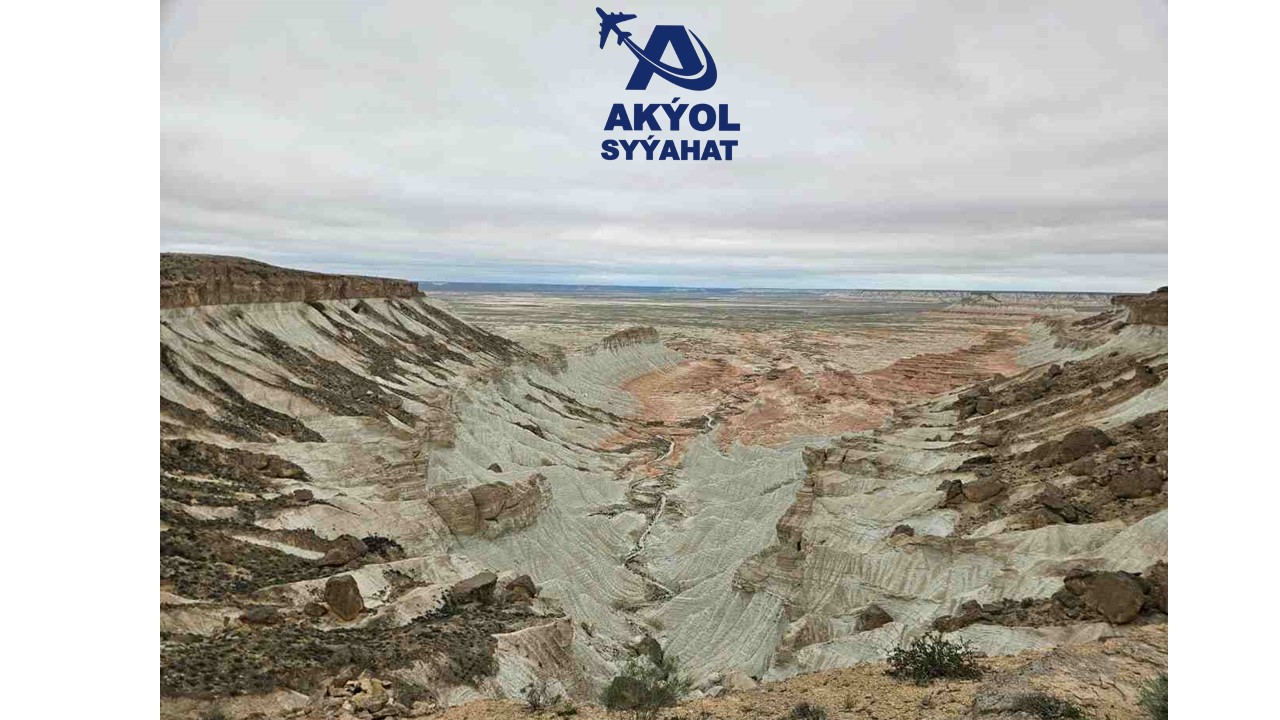
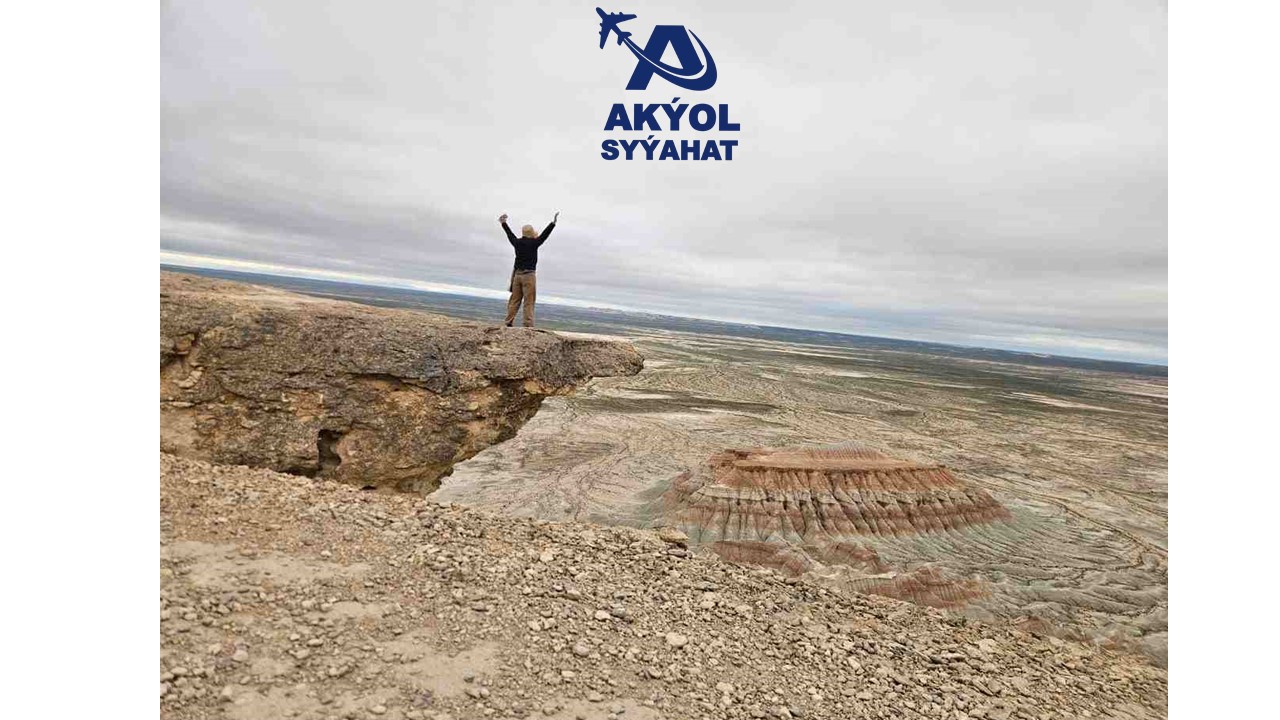
Afternoon drive to Yangysuw and then the breathtaking Yangykala Canyons. The red, pink, and yellow rock formations were once the bottom of the Tethys Ocean.
Overnight at the Camping at Yangykala (Unforgettable sunset/sunrise views).
Meals: Breakfast at hotel / Lunch at Gozli Ata pilgrime house / Dinner at under the stars.
-
BREAKFAST
Today after walking Yangykala Canyon drive to Kemal Ata.
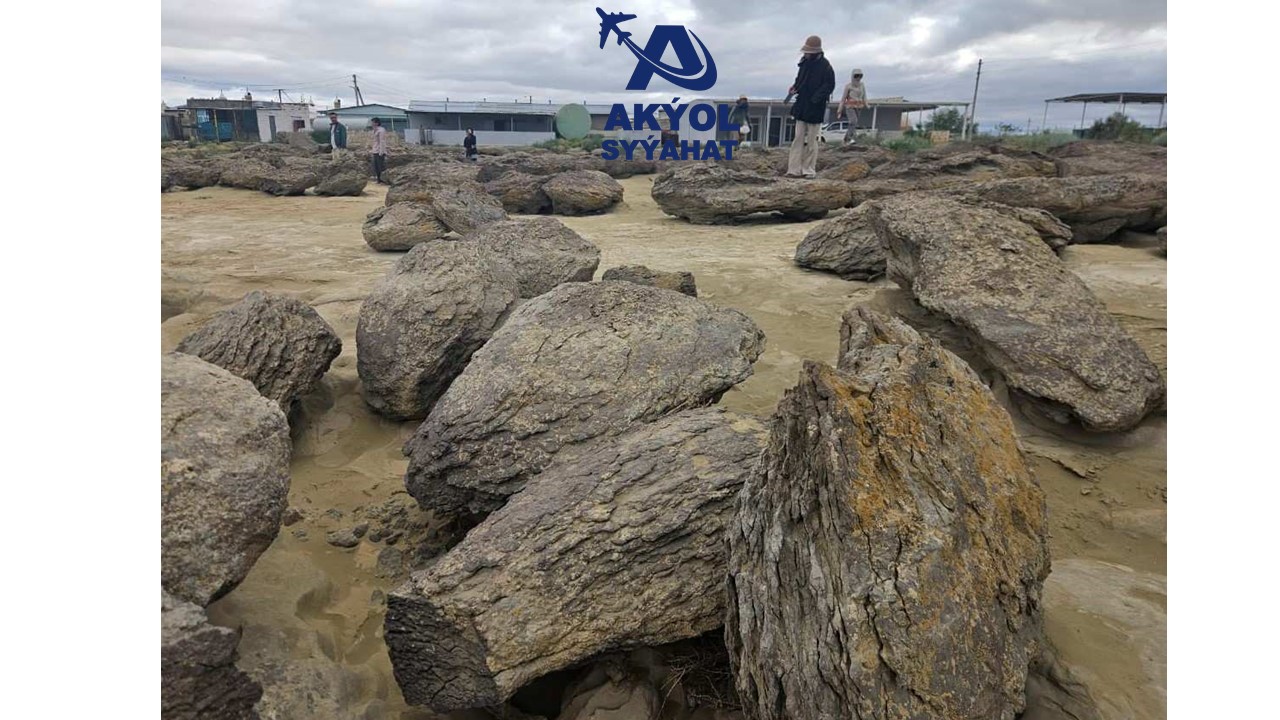
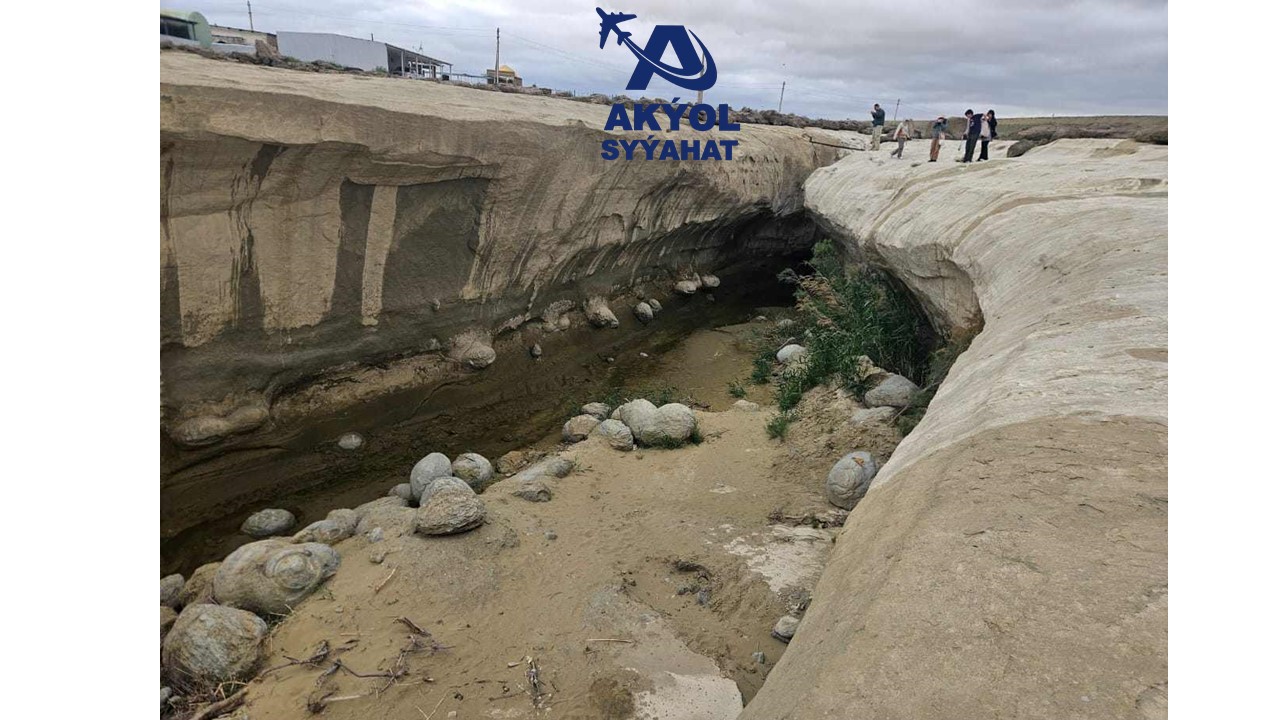
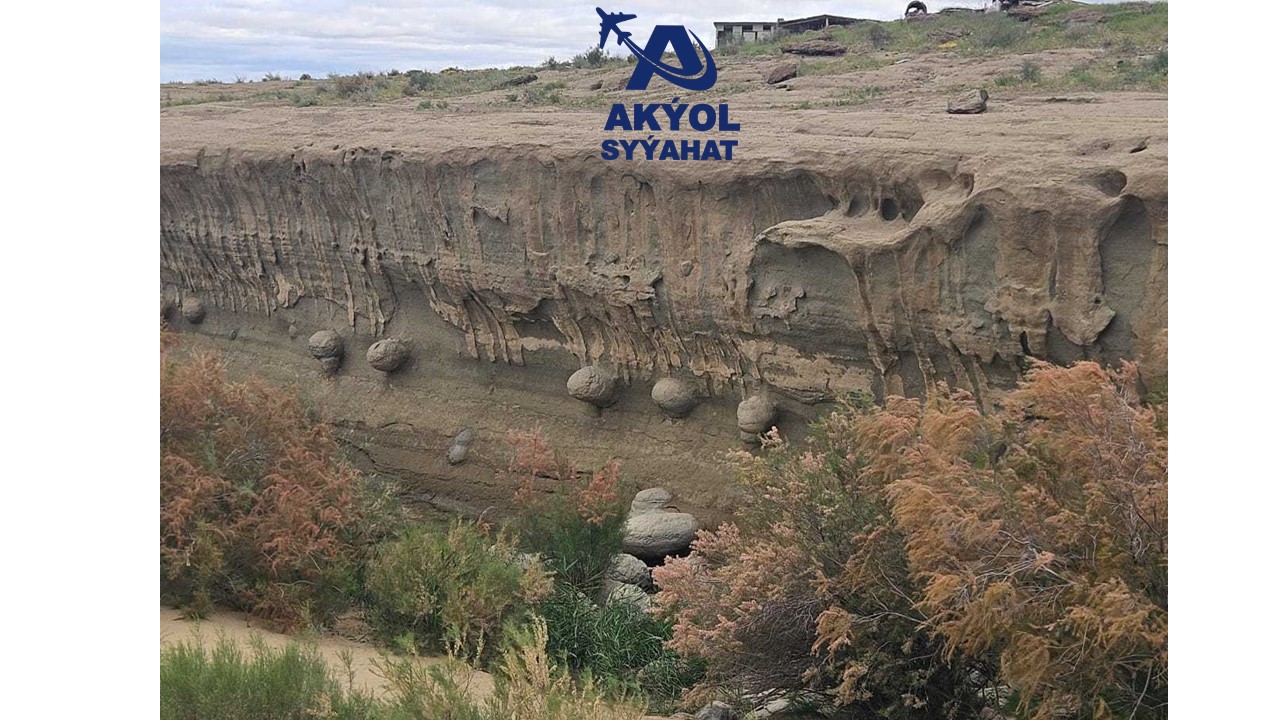
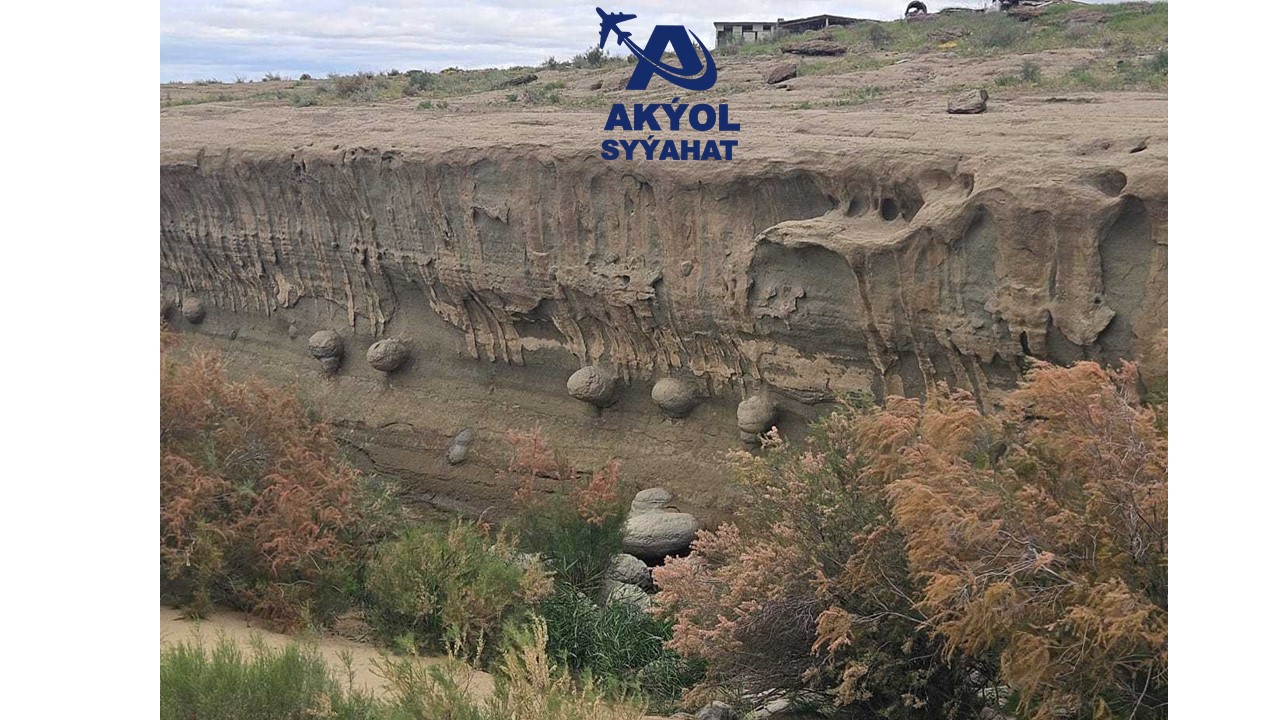
Drive to a remote canyon featuring a sacred spring and thousands of volcanic "spheres"—massive, perfectly round boulders scattered across the landscape.
Kemal-ata is a hill in the vicinity of the provincial town of Old Crimea. It contains the remains of some foundations and several tombstones with the names of sheikhs. Kemal-ata is popularly known among the people as the grave of Mamai. Defeated by Dmitry Donskoy in 1380, Mamai fled to Kaffa (Feodosia) where the Genoese promised him to save, but treacherously killed him. It should be noted, however, that the word "mamai" has become in the Old Crimea and its environs, to some extent, a household name: many other hills and mounds are called simply mamai.Ornament Kemal - Ata is stone educations, many of which are on canyon slopes.
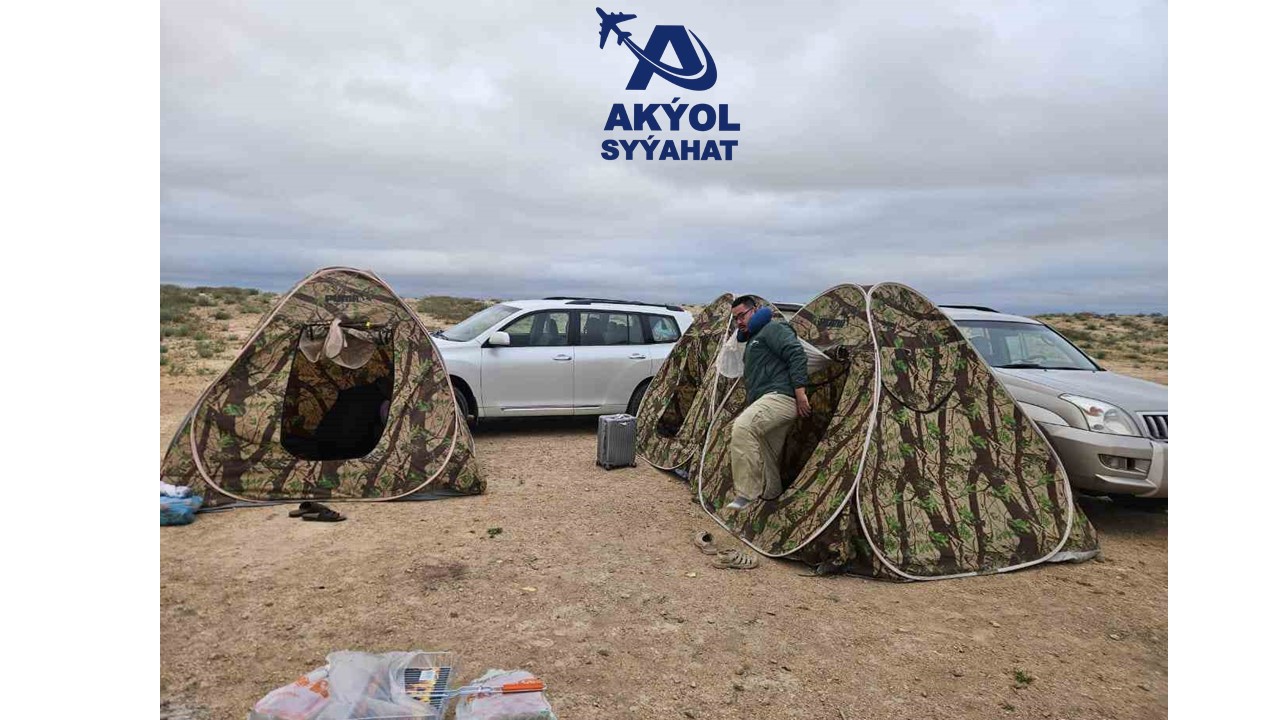
Wild camping near Kemal Ata.
Meals: Breakfast at Yangykala Canyon / Lunch picnic style / Dinner at under the stars.
-
BREAKFAST
Today adventure to Koymat, Melegoch and Ygdykala.
Koymat a scenic semi-nomadic settlement surrounded by milk-white cliffs.
Melegoch cross the desert toward the Uzboy River (a dry ancient riverbed). This area is famous for traditional camel breeding and falconry.
Ygdykala explore the remains of a Parthian fortress (1st century BC) perched on a high cliff overlooking the dry riverbed.
Wild camping in the dunes.
Meals: Breakfast at Kemal Ata / Lunch picnic style / Dinner at under the stars.
-
BREAKFAST
Today adventure to A long, challenging off-road trek through the deep sands of the Central Karakum Desert.
Balishem a small desert outpost for a quick lunch and water top-up.
Darvaza Arrive at the Gas Crater before sunset. Witness the pit roar with fire—a sight that is most spectacular after dark.
Yurt camp or tent near the crater.
Meals: Breakfast at Ygdykala / Lunch picnic style / Dinner at Darvaza Gas crater
-
BREAKFAST BBQ
08:00 - after breakfast drive to Ashgabat . On the way visits:
You'll visit the Darvaza mud crater perched almost conveniently close to the main highway - a mere 200-metre stroll away. The sheer cliffs of this crater proudly display layers of limestone deposits, with a diameter stretching 70 meters and a depth of around 20 metres. A further 24 km southward lies the Darvaza water crater. Much like its mud sibling, this crater is conveniently accessible from the main road – just 150 meters off the beaten track. It stretches 50 meters wide with steep walls leading to a water-filled basin 15 meters below ground level.
Upon arrival in Ashgabat and check-in hotel. Rest time:
16:00 - drive to the Old and New Nisa and Turkmenbashy Ruhy Mosque
Old and New Nisa 18 km from the city of Ashgabat in the outskirts of Bagir village there is a unique ancient monument, the ruins of ancient settlement Nisa. It used to be the capital of Parthia which had existed from the third century B.C. to the third century A.D. The Historical complex includes two archeologic monuments - Old and New Nisa.
The Turkmenbashi Ruhy Mosque eleven kilometers to the west of Ashgabat there stands one of the largest mosques in Central Asia and main mosque of Turkmenistan – The Turkmenbashi Ruhy Mosque. Like all other buildings of the period of independence it differs with its immensity and grandiosity.
Farewell dinner
Night at the hotel
Meals: Breakfast at Darvaza / Lunch local restaurant / Farewell dinner at local restaurant.
-
Transfer to the Ashgabat International airport for flight to next destination.
We hope you enjoyed our service and hope you'll come back again.
Included
- Accommodation in mentioned hotels on DBL/TWIN sharing
- Ashgabat - Ak Altyn Hotel 3* or similar - 3 nights
- Nokhur village - Guest House - 1 night
- Karakala - Guest house or tent- 1 night
- Dekhistan - Tent - 1 night
- Turkmenbashy - Charlak Hotel 4* - 1 night
- Yangykala Canyon - Tent - 1 night
- Kemal Ata - Tent - 1 night
- Ygdykala - Tent - 1 night
- Darvaza Gas crater - Camp or tent - 1 night
- Breakfasts at the hotels
- An early check-in hotel
- Services of A/C comfortable transport with professional driver as per the program
- English and Russian speaking guides
- Daily 5 bottles of 0.5l water per person
- Full Board Meals
- Farewell dinner
- Entrance fees to mentioned sights per program (excluding photo and video charges at sights)
- Visa support to Turkmenistan, registration and travel pass
- Travel tax
- Handmade souvenir per person
Excluded
- Visa consular fees and processing expenses 80-100 USD per person, when obtained at land border (subject to change, nationality dependent)
- PCR nose test 33 USD
- Photo and video charges at sights
- Beverages
- International air tickets to / out of Ashgabat
- Travel Insurance
- Extras, not indicated in inclusions
Additional info
Important information:
The maximum group size is 12 people
Hiking shoes: Your shoes should be comfortable, choose a good waterproof boot, not too heavy, not too stiff and strong for good ankle protection, with a rigid sole, warm clothes, hat, sunscreen,small towel, small first aid bag, warm jacket, toilet paper roll, hand sanitizer, woolen sweater, raincoat, umbrella, sun hat, sun glass ,you can take a piece of soap to wash the head, legs and laundry, torch light and batteries.
Food: We provide you a meal, you can make additions in food to your liking. Vegetarian/Dietary Needs: Because meals are prepared in advance, you must inform our tour operator well ahead of time of any dietary restrictions (vegetarian, vegan, allergies). They can usually accommodate with things like simple vegetable plov or grilled vegetables (tomatoes, eggplant, sweet pepper). Breakfast: hot dishes
Customer Support
We have a professional customer support team and always accompany you on every trip.