




Discover the Wonders of Turkmenistan- A 11 DAY Adventure
About tour
Embark on an unforgettable 11-day, 10-night journey through Turkmenistan, one of Central Asia’s most fascinating and least-explored destinations. This carefully designed adventure combines ancient civilizations, dramatic deserts, spectacular mountain landscapes, traditional villages, archaeological treasures, and the extraordinary modern capital of Ashgabat. From the dazzling white-marble avenues of Ashgabat to the legendary flames of the Darvaza Gas Crater, from the mysterious mountain village of Nokhur to the breathtaking red-and-white cliffs of Yangykala Canyon, every day reveals a different side of Turkmenistan. Travel beyond the usual tourist routes and discover a country where Silk Road history, timeless traditions, rugged nature, and modern architecture come together in one remarkable experience.
Itinerary
-
Arrive in Ashgabat, the spectacular capital of Turkmenistan. After completing airport formalities, meet your local guide and transfer to your hotel.Depending on your arrival time, begin your first introduction to the city with a panoramic drive through Ashgabat. Known for its impressive white-marble architecture, monumental avenues, grand squares, and beautifully landscaped parks, the capital offers a striking first impression.Take time to relax after your journey and enjoy a welcome dinner featuring local Turkmen cuisine.Overnight: Ashgabat
-
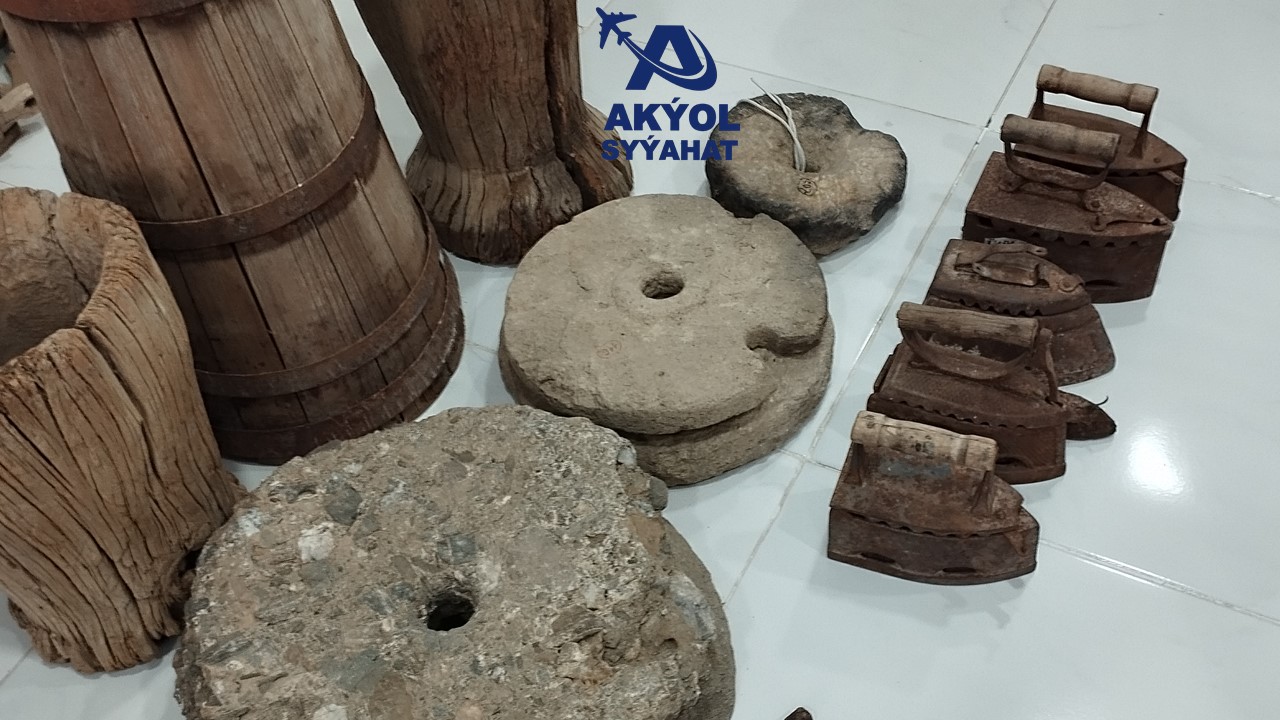
Today is dedicated to exploring the highlights of Ashgabat.Begin with the city's most impressive landmarks and monumental architecture, including Independence Square, the Arch of Neutrality, Constitution Square, Ruhy Mosque, and the grand government and monument districts.Visit the National Museum of Turkmenistan, where archaeological collections provide an introduction to the country's long history, including the ancient civilizations that flourished in this region.Continue to the colorful Russian Bazaar, where you can experience a more traditional side of everyday life and see local produce, spices, sweets, textiles, and other goods.In the evening, enjoy a panoramic view of Ashgabat and its illuminated monuments.Overnight: AshgabatMeals: Breakfast, Lunch, Dinner
-
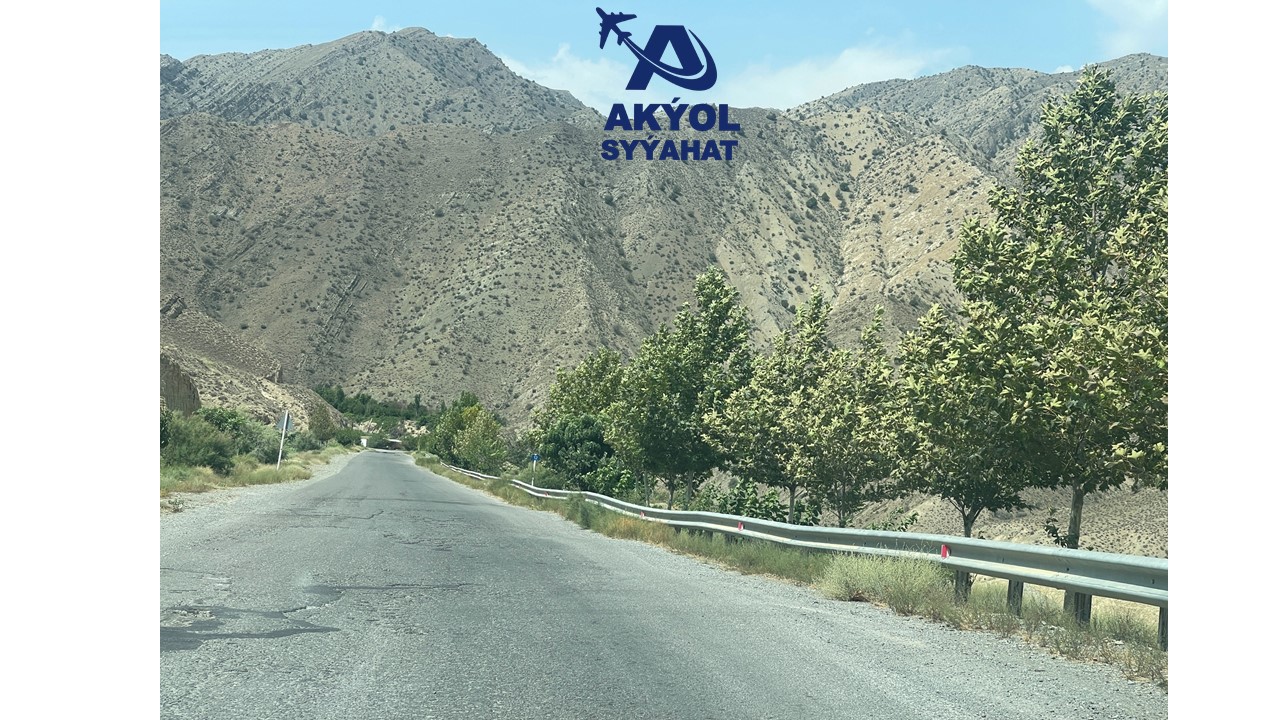
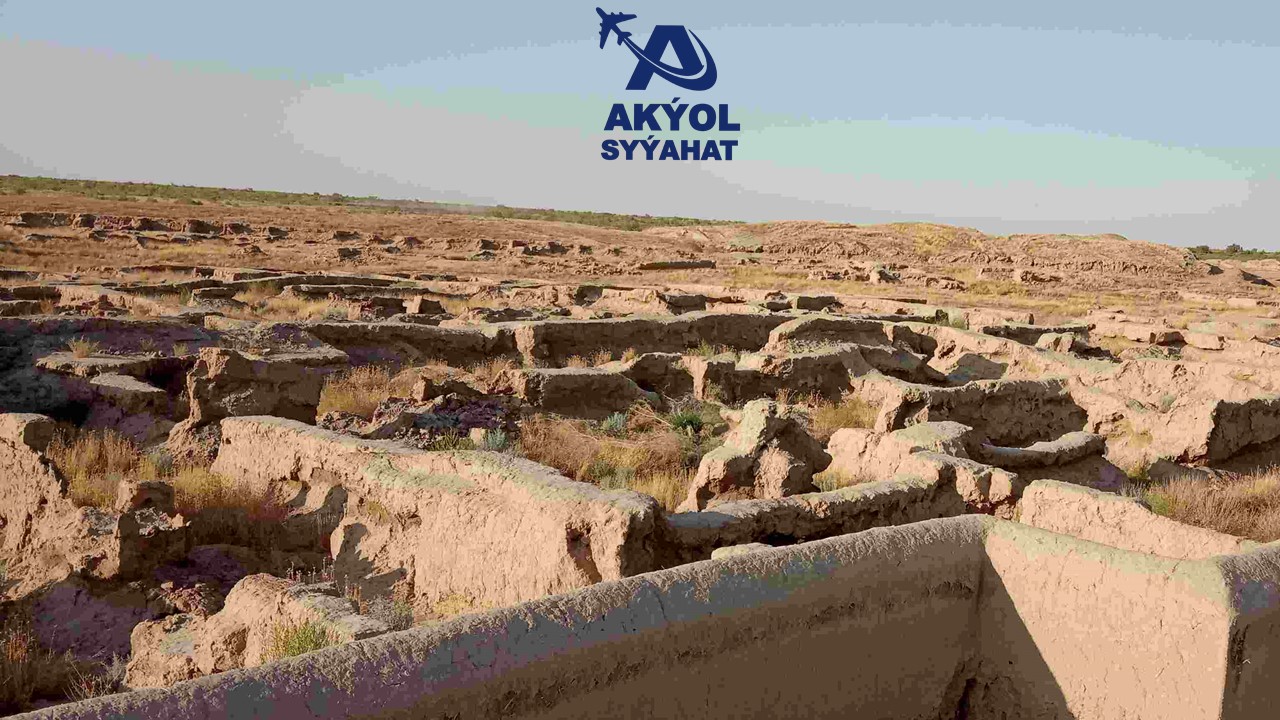
After breakfast, leave Ashgabat and travel toward the Kopet Dag Mountains.Our first stop is Ancient Nisa, one of the most important archaeological sites in Turkmenistan and a remarkable reminder of the ancient Parthian Empire. Explore the remains of the old fortress and learn about the history of this once-powerful center.Continue toward the spectacular Kopet Dag mountain range and the remote village of Nokhur.Nokhur is famous for its distinctive traditions, beautiful mountain surroundings, and unique cultural heritage. Visit the village and discover its traditional way of life before exploring the atmospheric local cemetery, known for its unusual tombs decorated with ibex horns.Enjoy the peaceful mountain landscape and experience the hospitality of the local community.Overnight: Nokhur / mountain guesthouseMeals: Breakfast, Lunch, Dinner
-
Wake up surrounded by the beautiful Kopet Dag Mountains.Spend the morning exploring the spectacular natural surroundings of Nokhur. Depending on local conditions and the group's interests, enjoy a short nature walk through the mountain valleys and visit local cultural sites.Continue your journey westward through increasingly dramatic landscapes. The route takes you from mountain scenery toward the vast open spaces of western Turkmenistan.Arrive in the Balkan region and settle into your accommodation.This is a day to slow down, enjoy the changing landscapes, and experience the remoteness that makes traveling through Turkmenistan so special.Overnight: Balkan regionMeals: Breakfast, Lunch, Dinner
-
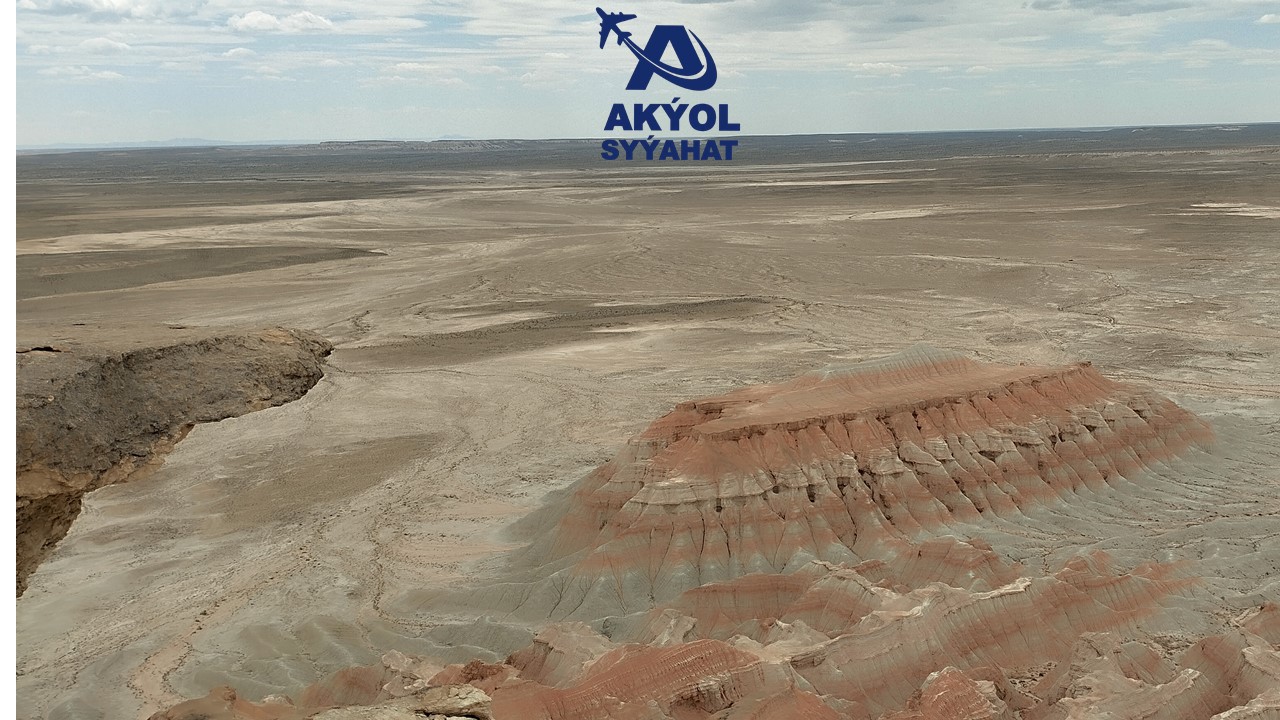
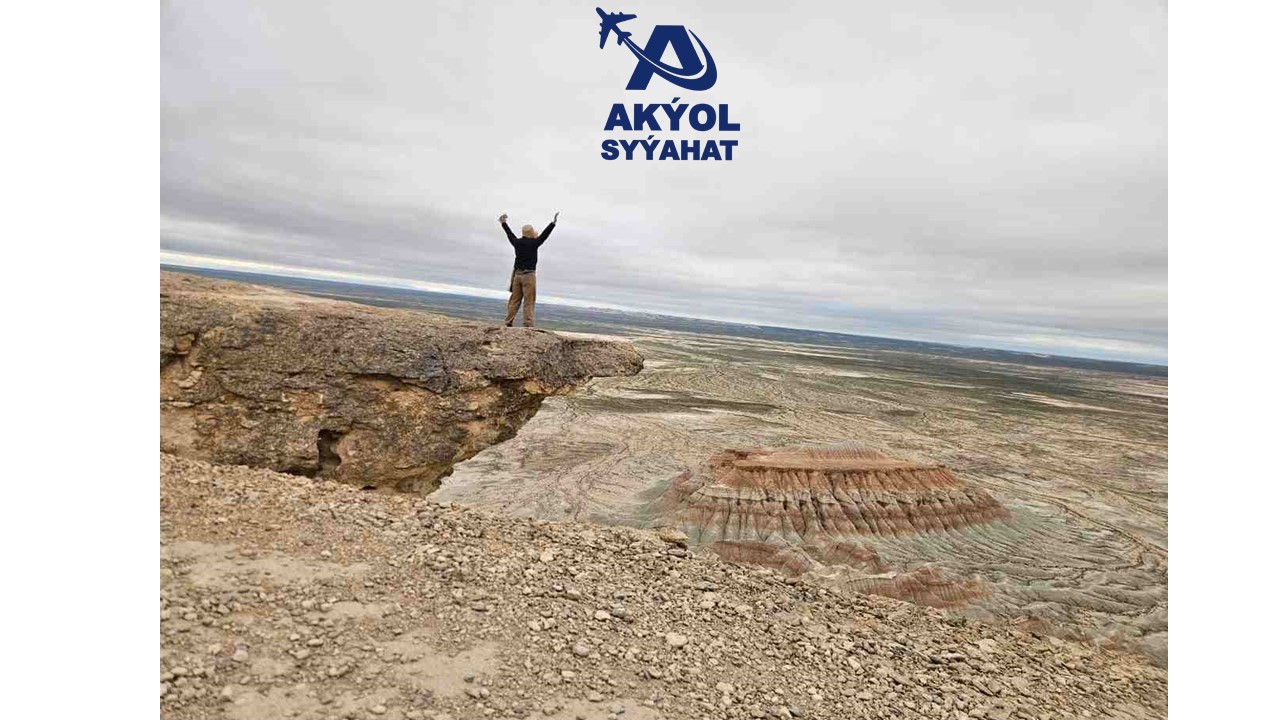
Today brings one of the most spectacular highlights of the entire journey: Yangykala Canyon.Travel into the remote landscape of western Turkmenistan to discover towering cliffs carved by millions of years of geological activity. The canyon's dramatic layers of red, pink, white, orange, and yellow rock create an extraordinary natural panorama.Explore several viewpoints and enjoy time for photography and walking along the canyon edges. The scale and colors of Yangykala are particularly impressive at sunrise or sunset, when the cliffs glow beneath the changing light.Far from major cities and tourist crowds, Yangykala offers a genuine sense of wilderness and adventure.Overnight: tentMeals: Breakfast, Lunch, Dinner
-
Continue your journey through the remote landscapes of western Turkmenistan.Travel across vast desert scenery, passing small settlements and observing the changing colors and textures of the Karakum landscape.Depending on the final route and local conditions, visit viewpoints and places of interest around the Balkan region before continuing toward Balkanabat, an important city in western Turkmenistan.The journey itself is part of the experience: enormous horizons, almost empty roads, desert silence, and landscapes that seem to stretch endlessly toward the horizon.Enjoy an evening at your hotel and prepare for another unforgettable day in the desert.Overnight: BalkanabatMeals: Breakfast, Lunch, Dinner
-
After breakfast, depart Balkanabat and begin your journey eastward toward Ashgabat, traveling across the vast landscapes of Turkmenistan.As you leave the Balkan region behind, enjoy the changing scenery—from the rugged foothills and open desert landscapes of western Turkmenistan to the striking Kopet Dag Mountains that gradually appear on the horizon.Along the way, make stops at scenic viewpoints and local areas of interest, allowing you to experience the peaceful beauty of the Turkmen landscape and capture memorable photographs.Upon arrival in Ashgabat, check in to your hotel and take some time to relax after the journey.In the evening, enjoy a panoramic drive through the beautifully illuminated capital. The city's impressive white-marble buildings, grand avenues, fountains, and monumental architecture create a spectacular atmosphere after sunset.Overnight: AshgabatMeals: Breakfast, Lunch, Dinner
-
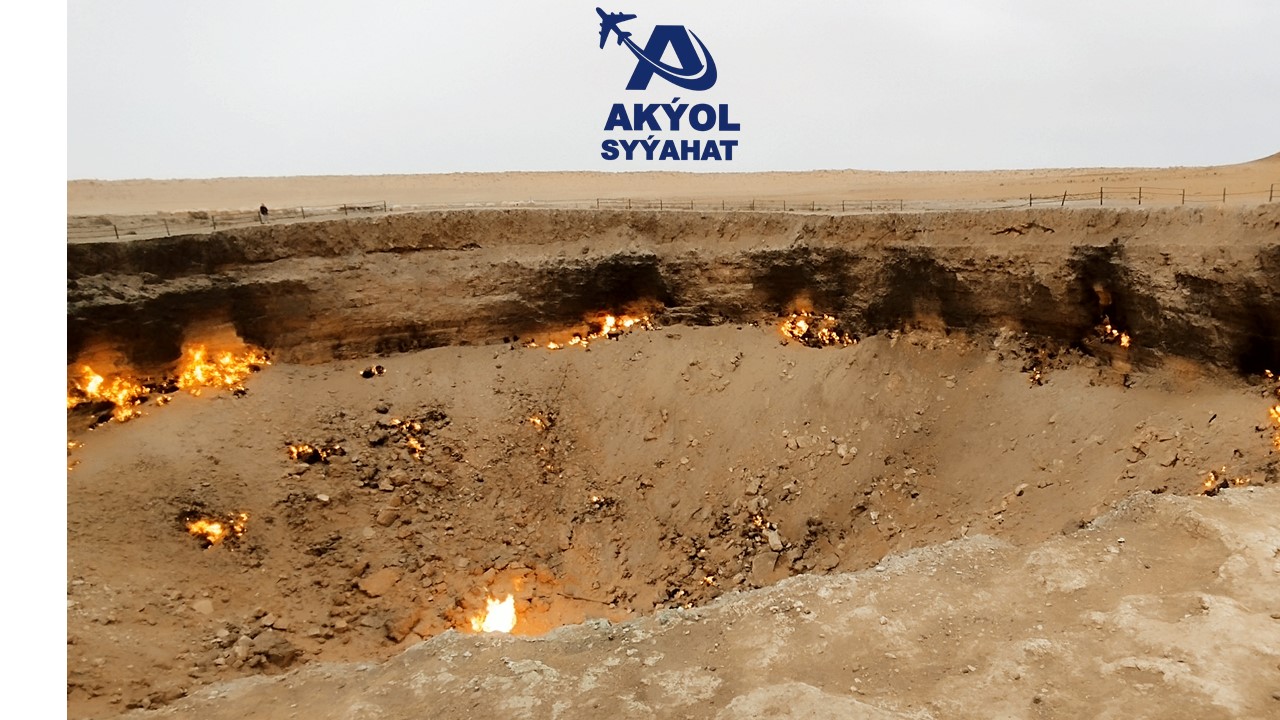
After breakfast, leave the magnificent capital of Ashgabat behind and begin an unforgettable journey north into the vast Karakum Desert.The road takes you deep into one of the world's great deserts, where endless horizons, golden sands, rugged terrain, and remote settlements create a truly adventurous atmosphere. Along the way, your guide will introduce you to the desert environment and the traditional ways of life that have developed in this challenging landscape.After reaching the Darvaza area, continue toward the famous Darvaza Gas Crater, one of Turkmenistan's most extraordinary natural and industrial landmarks. Often known as the "Gate of Hell," the crater has been burning for decades, creating a spectacular glow against the surrounding desert.As the sun begins to set, watch the colors of the desert change before witnessing the crater come alive in the darkness. The sight of the flames against the night sky is one of the most unforgettable experiences of any journey through Turkmenistan.Enjoy a traditional dinner at the desert camp and spend the evening beside the crater, taking photographs and enjoying the peaceful atmosphere of the Karakum Desert.Overnight: Desert camp near DarvazaMeals: Breakfast, Lunch, Dinner
-
Wake up early in the heart of the Karakum Desert and enjoy breakfast at the desert camp. Take a final opportunity to admire the peaceful desert surroundings before continuing your adventure.Your first stop is the Darvaza Gas Crater, where you can experience the famous flaming crater in the soft morning light and capture photographs from a different perspective.Continue to explore the fascinating mud and water craters of the Darvaza area. These unusual geological formations offer a striking contrast to the fiery gas crater. Bubbling mud, natural gas emissions, and pools of water create an otherworldly landscape in the middle of the desert.After exploring the crater zone, begin the journey back toward Ashgabat. Travel through the immense Karakum Desert, with opportunities to stop along the way for photographs and to appreciate the changing desert scenery.Upon arrival in Ashgabat, check in to your hotel and enjoy some well-deserved time to relax.In the evening, take a leisurely panoramic drive through the illuminated capital or enjoy a relaxing dinner at a local restaurant.Overnight: AshgabatMeals: Breakfast, Lunch, Dinner
-
Enjoy your final full day in Turkmenistan.Visit some of Ashgabat's remaining highlights and discover parts of the capital that may have been missed earlier in the journey. Take a leisurely walk through one of the city's landscaped parks and enjoy the contrast between the monumental architecture and the surrounding mountains.There will also be time for shopping and purchasing souvenirs, or simply relaxing at the hotel.In the evening, gather for a farewell dinner, celebrating an extraordinary journey through one of the world's most unusual and fascinating destinations.Overnight: AshgabatMeals: Breakfast, Lunch, Dinner
-
After breakfast, enjoy your final moments in Ashgabat before transferring to the airport for your onward flight.Your Turkmenistan adventure comes to an end, leaving you with unforgettable memories of ancient Silk Road history, remote mountain villages, spectacular desert landscapes, colorful canyons, and the legendary fires of Darvaza.Meals: BreakfastHighlights of the Journey:Explore the spectacular white-marble capital of AshgabatDiscover the ancient ruins of Nisa, a UNESCO World Heritage siteExperience the traditional mountain village of NokhurTravel through the dramatic Kopet Dag MountainsStand above the spectacular cliffs of Yangykala CanyonCross the vast Karakum DesertSpend a memorable evening beside the Darvaza Gas CraterExperience remote landscapes far beyond the usual tourist routesDiscover Turkmen history, culture, architecture, and traditional hospitalityEnjoy a carefully balanced combination of culture, history, nature, adventure, and relaxation
Included
- Visa support to Turkmenistan, Letter of Invitataion (LOI)
- Accommodation for 10 nights in selected hotels and desert camp, based on the agreed room category.
- Daily breakfast, lunch, and dinner as specified in the itinerary.
- Private air-conditioned transportation throughout the tour.
- Experienced English-speaking local guide throughout the journey.
- Airport transfers on arrival and departure.
- All sightseeing and excursions mentioned in the itinerary.
- Entrance fees to the museums, monuments, archaeological sites, and attractions listed in the program.
- Visit to Ancient Nisa, Nokhur, Yangykala Canyon, Darvaza Gas Crater, and the Mud and Water Craters.
- Desert camp accommodation near Darvaza Gas Crater.
- Traditional meals and local cultural experiences mentioned in the itinerary.
- Bottled drinking water during sightseeing and long-distance journeys.
- Travel tax
- Handmade souvenir per person
Excluded
- Visa consular fees and processing expenses 80+15 USD per person, when obtained at land border (subject to change, nationality dependent)
- Turkmenistan migration tax 14 USD per person
- PCR nose test 33 USD (subject to change)
- Photo and video charges at sights
- An early check-in hotel
- Beverages
- International air tickets to / out of Ashgabat
- Travel Insurance
- Extras, not indicated in inclusions
Additional info
Accommodation — 10 Nights
Ashgabat: Sport Hotel 4* - 5 nights
Nokhur: Guest House or camp - 1 night
Kyzylarbat: Chynar Hotel - 1 night
Yangykala Canyon: tent - 1 night
Balkanabat: Nebitchi Hotel 3* - 1 night
Darvaza: Camp (Traditional yurt) - 1 night
Our itinerary combines the country's essential landmarks with remote destinations that reveal a quieter and more authentic side of the country. With experienced local guides, comfortable accommodation where available, carefully planned transportation, and attention to each stage of the journey, we aim to make your trip enjoyable, safe, and memorable.
Come Discover Turkmenistan
Ancient cities. Sacred mountains. Endless desert. Flaming craters. Extraordinary architecture.
Bring comfortable, sturdy walking shoes or hiking shoes suitable for archaeological sites, desert terrain, mountain paths, and uneven ground. Pack lightweight, breathable clothing for daytime activities, especially during the warmer months. Long-sleeved shirts and long trousers are recommended for protection from the sun, dust, and insects. A light jacket or sweater is useful for cooler evenings, particularly in the mountains and desert. Sunscreen,
sunglasses, hat or cap.
Join us on an unforgettable 11-day journey through the heart of the country and discover a land where ancient history and modern ambition meet beneath the endless Central Asian sky.
Ready to Explore Turkmenistan?
Contact us today to check availability, receive a quotation and start planning your journey.
Contact us: akyoltravel55@gmail.com / akyoltravelvisa@gmail.com
Turkmenistan Visa Procedure
Visa & Letter of Invitation (LOI)
Travelers visiting Turkmenistan generally require a visa, and tourist visas are issued on the basis of a Letter of Invitation (LOI) approved by the State Migration Service of Turkmenistan.
For tourists, the Letter of Invitation is normally arranged through a licensed/registered Turkmenistan travel agency. Our team can assist you with the invitation process and provide guidance throughout your visa application.
The visa may be obtained from a Turkmenistan embassy or consulate abroad. In certain circumstances, travelers with an approved invitation may also be able to obtain the visa upon arrival at an international airport or designated border crossing. (Shavat/Dashoguz, Alat/Farap)
How the Visa Process Works
Step 1 – Book Your Tour
Confirm your Turkmenistan tour with us and provide the personal information required for the visa invitation.
Step 2 – Submit Documents for the LOI
We collect the required documents and submit the invitation application through the appropriate Turkmenistan travel/immigration procedure.
Step 3 – State Migration Service Approval
The Letter of Invitation is processed and approved by the State Migration Service of Turkmenistan.
The processing period maximum 10 Days. Applicants should allow sufficient time before their planned departure.
Step 4 – Receive Your Invitation
Once approved, the invitation information or certified Letter of Invitation is provided for the visa application.
Step 5 – Apply for Your Visa
After receiving the LOI, submit the required documents to the appropriate Embassy or Consulate of Turkmenistan.
Step 6 – Travel to Turkmenistan
Once your visa has been issued, you are ready to travel to Turkmenistan and begin your tour.
Documents Required for the Letter of Invitation
To prepare your Letter of Invitation, we normally require the following documents from each traveler:
Completed visa/LOI application form
High-quality color scan of your passport
Passport valid for at least 6 months from the planned date of arrival
Passport containing sufficient blank pages for visa processing
Recent passport-size color photograph (white background)
Planned arrival and departure dates
Planned entry and exit points
Full name exactly as shown in the passport
Date and place of birth
Nationality
Current residential address
Contact telephone number
Email address
Occupation/employer information, where required
Final education level or degree, university/institute/school name
Major
Marital status: Married, Single or widow
Spouse full name, date of birth (date/month/year)
Children, if yes: full name , date of birth (date/month/year)
Details of the proposed tour and accommodation, where required
Customer Support
We have a professional customer support team and always accompany you on every trip.