



Food Tour To Turkmenistan
About tour
A 9-day food-focused tour of Turkmenistan is an exciting way to explore the country's rich culinary heritage while experiencing its unique culture and traditions. The cuisine is influenced by Central Asian, Persian, and Turkish flavors, with an emphasis on fresh ingredients, grilled meats, hearty stews, and freshly baked bread. Here’s a detailed food tour itinerary that highlights some of the best culinary experiences in Turkmenistan
Itinerary
-
Arrival at Ashgabat International Airport and transfer to your hotel. Check-in and relax at your hotel after your flight.
Ashgabat is a relatively young city in 25.05.2013 city was included Gunnies Book of records as a white marbled city on the world.
Today you will see Ruhyyet Palace, Wedding Palace, modern Yildyz Hotel, Ferries Wheel, Constitution Monument, Arch of Neutrality, Monument and park of Independence.
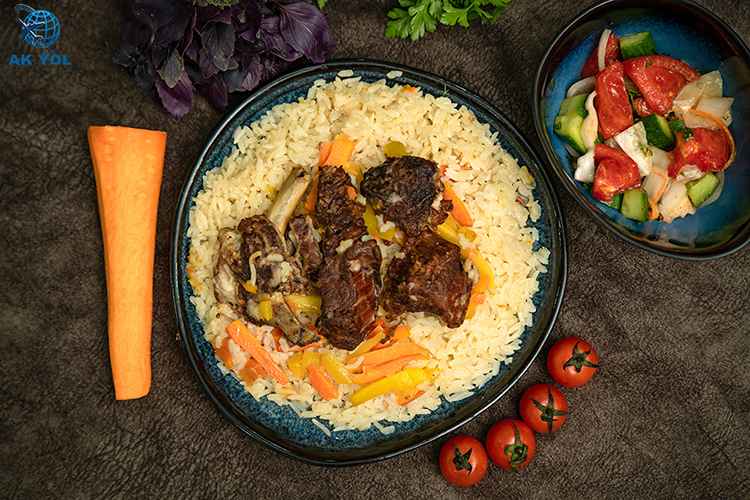
Lunch at a Local restaurant “Joshgun”: Try Plov (Pilaf), a traditional dish made with rice, lamb, carrots, and onions. This dish is a staple in Turkmen cuisine.
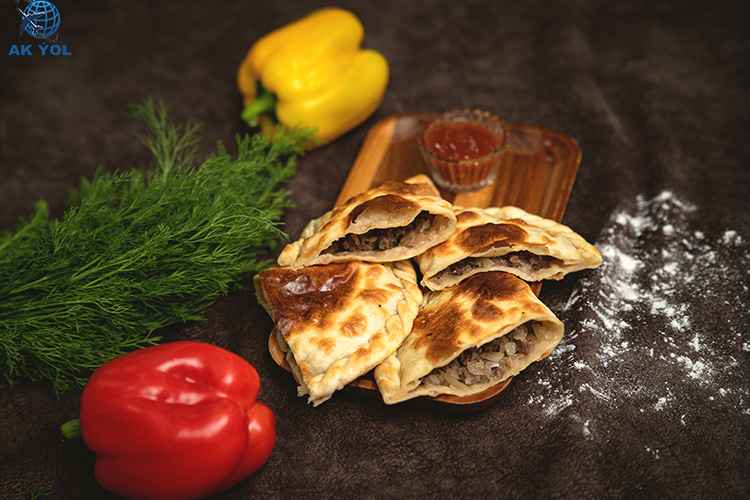
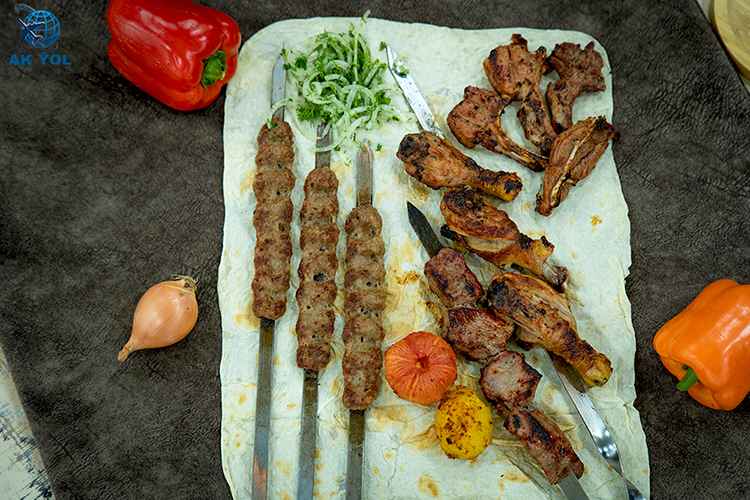
Visit the Ashgabat Gulistan Market (Russian Bazaar): A great place to see local ingredients, spices, and fresh produce, as well as to sample traditional snacks like kebabs (grilled meat) and samsa (flaky pastries filled with meat or vegetables). Dinner at a local restaurant “Central Park”: Enjoy shashlik (grilled skewered meat) served with a side of pita bread and salads.
Night at the hotel
-
BREAKFAST
Start your day visit Nissa fortress -the Sanctuary of Parthian Kings. UNESCO declared fortress a World Heritage Site in 2007. Drive to visit the biggest Mosque in Central Asia Ruhy Mosque.
Drive to Kopetdag mountains. Discover on the way Kov Ata cave lake & Ahal Teke private horse farm. Visit the Kov-Ata underground lake. Kow-Ata, Bakharden Lake is a natural underground lake. The name translated from Turkmen means “father of caves”. Located 100 kilometres from Ashgabat, the water temperature is from +33 to +38 ° C all year round.
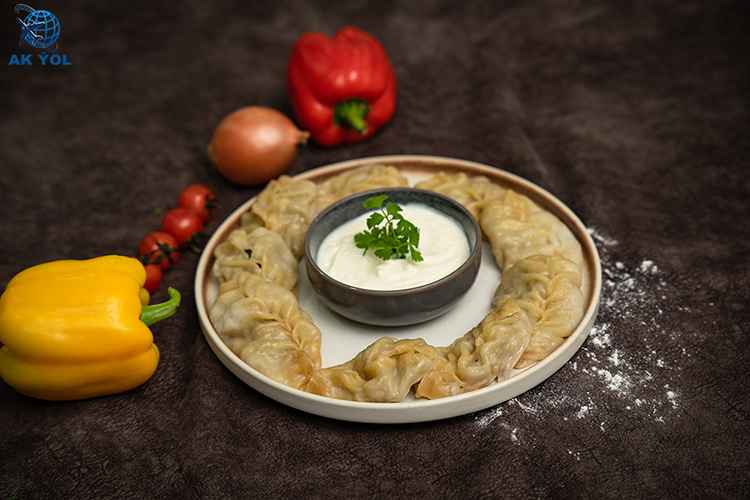
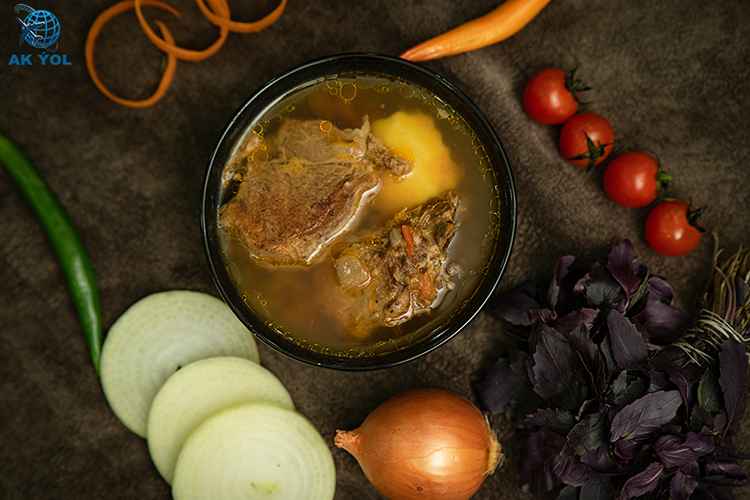
Visit the Nokhur cemetery with goat-horned tombstones. Explore hidden waterfalls and scenic landscapes.Cooking Class: Participate in a cooking workshop to learn how to make Manti (steamed dumplings filled with minced lamb or beef) and chorva (a rich meat-based soup). These are common dishes in Turkmen homes Nokhur village.
Night at the Guest House
-
Early morning drive to Mary Region.
On the way visit Seyitjemaleddin mosque (XV c).
Visit important cities of Northern Khorasan is a medieval settlement Abiverd.
Visit Mary's local bazaar “Maru-Shahu-Jahan” and try samsa (a savory pastry filled with meat, pamkin or spinach).
Lunch: Enjoy a rich stew made with lamb, chickpeas, and vegetables. It’s slow-cooked for hours, making it flavorful and tender.
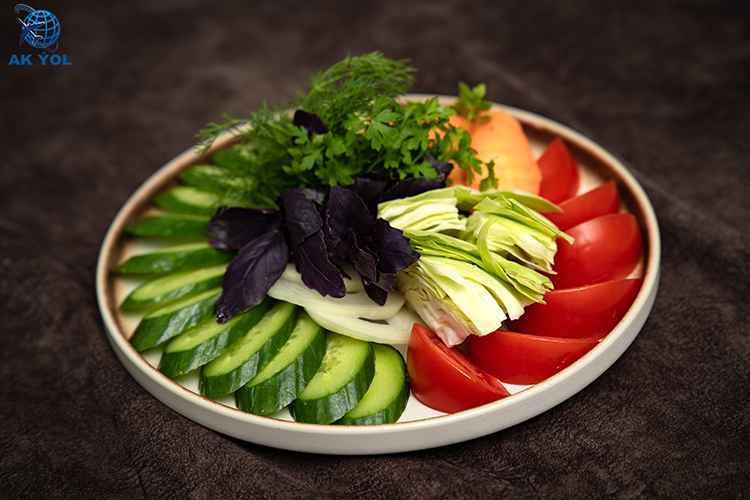
Return to your hotel in Mary and enjoy a light dinner of Turkmen salads and Laghman (hand-pulled noodles with vegetables and meat, typically served with a rich broth).
Night at the hotel.
-
After breakfast drive to Sakarchage village.
Visit local Carpet fabric.
Then visit local house. You will see family animals’ camels, ships and cows. You can try camel milk. Chal (chal) is a slightly carbonated fermented camel milk drink.Agaran is a drink made from camel milk and sourdough which is stirred occasionally as it is left for two days in a dark place. Try Turkmen fresh bread with local honey and tea. Turkmen also love a meat with vegetables. Learn traditional meal Gazanlama (kazanlama) is meat cooked over hot coals.
Return to Mary city.
Night at the hotel.
-
BREAKFAST
08:00 - drive to the Ancient Merv historical site (30 km from Mary city)
Ancient Merv was the most important Silk Road hub in the region, and particularly thriving as regional capital under Seljuk governor Sanjar. Merw is the collective name of five urban centers that existed under various different names in different periods from the VI c BC up to the XVIII c AD.Today, Merv occupies a territory of more than 1200 ha and forms the biggest archeological site in Central Asia. The importance of the site was recognized in 1999 by UNESCO, which awarded Merv World Heritage status.
The Seljuk capital, consisting of a shahristan (medieval citadel) and a rabat(outskirts of the medieval city), considerably exceeded Damascus and Jerusalem in size. Today the Seljuk citadel is called SultanKala. It has an oval shape and occupies about 630 hectares. Its layout is still visible in aerial pictures. Among all city sites of Merw, perhaps the most significant is the medieval Seljuk city.
Soltan Sanjar Mausoleum most majestic architectural monument of Merv is Sultan Sanjar mausoleum called "Dar-al-Akhir" ("Otherworld"). His whole appearance it represents the highest achievements and flourishing Seljuk power. Sultan Sanjar Mausoleum is located in the center of the settlement Sultan Kala. Nearby are large monumental buildings - the palaces of Seljuk rulers and a mosque.
Great and Less Kiz fortress small fortresses with corrugated, if folded in the crease, napodobye accordion, walls. They put on the earthen ramps with mild slope. Small windows are hidden in the folds of the walls. At the top of the wall terminate toothed battlements, which are almost did not survive.
Mausoleums of ashkhabs. Original set of graves from the time of the Arab invasioninto Central Asia in the early years after the death of Mohamed. The graves of two askhabs(companions/campaigners of the Prophet) are of Al KhakamGifari (died in 670) and Bureyda Al Aslami (died in 681).
Gyaur Kala fortress In Turkic languages, "Gyaur" means "infidel", referring to those who do not practise Islam. The name of the fortress in ancient Merv, Gyaur-Kala - "Fortress of the Infidels" - was given by the Arabs who conquered it in the early 8th century. However, the fortress itself dates back much earlier, to the 4th-3rd centuries BC.
Erk-Kala fortress was the center of ancient Merv. The fortifications of Erk-Kala have sagged under earth drifts but nevertheless, have preserved their height and power. This distinguishes Erk-Kala from other fortresses. Now the height of the fortifications with steep slopes and precisely cut out towers reaches 25 - 29 m.
Ice houses (approximately XV c., Timurid rule)are visible from the road between the medieval and ancient cities of Merv. An extraordinary conical clay construction, built directly on the ground to store tightly packed snow. The original height is hard to determine.
The mausoleum-complex of Hodja Yusuf Hamadani (Hamdani) includes a modern mosque and minaret, the grave and mausoleum of Hodja Yusuf Hamadani (died in 1140), a Timuridiwan(portal) and a prayer hall. It is located not far from the Seljuk citadel. This complex has been largely reconstructed and turned into an important pilgrimage site. Hodja Yusuf Hamadani was a famous Sufi scholar of the 12th century, and the first of a group of Central Asian Sufi teachers who founded the Naqshbandi order. He was born in 1048-49 in a small settlement called Bezendjird, close to the famous Iranian city of Hamadan, when Merw was under Seljuk rule.
Shahriar Ark was constructed - a citadel within the citadel, protected by its own walls and moat. Visiting Shahriar Ark you can see the Kepter Khana- an interesting corrugated structure, which is the best-preserved in the citadel. It’s walls still survive to a height of some 4,5 m, however the original height of the walls is hard to determine.
Mohamed ibn Zaid, dated by inscription to 1112-13. It is located outside the medieval Seljuk citadel. It is unclear as to whom the mausoleum is actually devoted to. The local legend speaks about Mohamed Said ibnZeidibn Ali ZeinalAbedonibn al- Huseinibn Ali-Talib, who was a prominent Shia teacher and direct descendant of the Prophet Ali in fifth generation.
Abdulla khan Kala, constructed in the time of Timurid rule in the region, and was enclosed by massive walls and a moat with massive ramparts. Although one of the strongest and best fortified cities in the area, Abdullakhan Kala never reached the importance of the previous city sites. The remains of the city walls are still impressive, however, the walls, the Timurid palace and other constructions in this citadel, as well as four gates were much better preserved in the 19th century.
History, Flora and Fauna of Mary Region in the Mary History Museum The Mary History Museum was established as the Mary Museum of History and Revolution in 1968. Its first exposition opened in 1974. When Turkmenistan gained independence, the Museum in 2008 moved into a new white-marbled building in the center of Mary.
Transfer to Mary Airport .
20:15 – Flight to Ashgabat,
20:55 –Upon arrival in Ashgabat, then transfer to the hotel.
Night at the hotel.
-
Breakfast is at the hotel. City tour in Ashgabat with visits of Ertogrul Gazi Mosque it honors Ertogrul, the father of Osman I, the founder of the Ottoman Empire. Lunch at a local restaurant: a soup made with noodles, meat, and vegetables with a refreshing glass of Ayran (a salty yogurt drink) or Turkmen tea. Darwaza in the Karakum desert, with visit of Erbent desert community on the way. Darwaza - The center of a gas-rich area in the heart of the Karakum desert attracts travelers from all over the world because of its unique burning crater that offers a particularly spectacular view in the dark. Dinner Gazanlama (kazanlama) is meat cooked over hot coals. End the meal with a refreshing Ayran (a salty yogurt drink) or Turkmen tea. Night at the yurta or tent.
-
Drive to Kunyaurgench. Excursion to Kunya Urgench – Kunya Urgench owes its Unesco world heritage status to the fact that it was an important Silk Road hub on the Oxus River, and capital of the Khorezm Empire (12th c AD), until its destruction by the armies of Dzhengis Khan. Several mausoleums, town wall remains, the tallest minaret in Central Asia and the KyrkMolla pilgrim mount reflect the various roles of this historical city, which was praised by historical figures such as Biruni and Avicenna, Al-Farabi and Al-Khorezmi. Lunch local restaurant dograma is a dish made from boiled meat, onions and pieces of flaky bread. The ingredients are mixed together and covered in a hot broth. Transfer to Dashoguz airport then flight to Ashgabat. Upon arrival and visit local restaurant Kopetdag. Unash soups (bean soup with noodles) are very popular as a Turkmen national food. Gatyk is served in almost every restaurant. This thick kefir can be eaten with soup. Check-in hotel. Night at the hotel.
-
After breakfast visit Carpet Museum was established in 1993 to preserve and develop the traditions of Turkmen carpet weaving. More than two thousand carpets made by hand are awaiting to amaze their visitors. Both ancient and modern carpets are on display here, including one of 301 square meters that entered the Guinness Book of Records as the largest of the world. visit the Eastern bazaar "Altyn Asyr" (Tolkuchka). The Eastern Bazaar is the first largest market in Ashgabat and Turkmenistan and the 5th largest in Central Asia as there are over 2,155 stores. This bazaar was also built in a carpet-like pattern of the Akhal velayat, a vast territory of 154 hectares. Farewell dinner traditional Turkmen folklore show and foods. Night at the hotel.
-
Transfer to the Ashgabat International Airport for flight to next destination
Customer Support
We have a professional customer support team and always accompany you on every trip.